Safe drinking water is a fundamental human need, yet many communities remain unaware of the risks associated with contaminated water. Drinking Water Safety exists to raise awareness, educate the public, and empower individuals to take proactive steps toward water safety. Our mission is to ensure that everyone, regardless of location or socio-economic status, understands the potential dangers and knows how to protect themselves and their families.
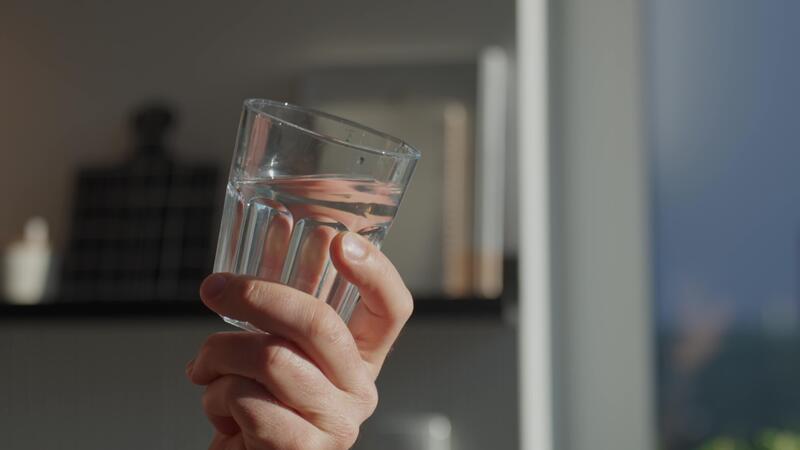
Awareness begins with knowledge. Many contaminants, such as lead, PFAS, bacteria, and nitrates, are invisible and tasteless, making it difficult to detect problems without proper testing. By providing educational resources, clear guidance, and access to reliable data, we help people identify risks early. Understanding water safety empowers communities to act before health problems arise.
Educational Resources & Risk Awareness
Awareness begins with knowledge. Many contaminants, such as lead, PFAS, bacteria, and nitrates, are invisible and tasteless, making it difficult to detect problems without proper testing.
Community Collaboration & Testing
Our organization also emphasizes collaboration. We work alongside schools, local health departments, and environmental agencies to promote community testing, public reporting, and preventative measures.
Empowering Action & Advocacy
By connecting individuals with actionable information, we aim to reduce exposure to hazardous contaminants and foster a culture of responsible water stewardship. Public participation is essential.
Water Safety Education
The Importance of Education and Testing
Education and testing are the cornerstones of drinking water safety. Knowledge alone is not enough, residents must understand how to identify risks and take corrective action to protect their health. Regular testing is critical because many contaminants are colorless, odorless, and tasteless, yet they can cause serious short-term and long-term health issues.
Public education programs help individuals and communities understand which contaminants are most common in their area and the health risks associated with them. Topics include lead exposure from plumbing, microbial risks, industrial pollutants like PFAS, and naturally occurring substances such as arsenic and nitrates. Education also covers preventive measures, including the use of certified filters, proper storage, and safe handling of water sources.
Why Testing andAwareness Matter
Understanding water quality requires both knowledge and regular monitoring. Education and testing together create a proactive approach to protecting communities.
Routine Water Testing
Testing is equally important. For private wells, municipal taps, or community fountains, routine monitoring identifies contamination early and enables timely interventions.
Protecting Public Health
Combining education with testing creates a proactive approach. Communities that are informed about water safety are better equipped to respond to emergencies, participate in remediation programs, and support stronger regulations.
Knowledge & Monitoring Together
Understanding water quality requires both knowledge and regular monitoring. Education and testing together create a proactive approach to protecting communities.
FAQs
1. How often should I have my drinking water tested?
It depends on your water source. Public water systems are regularly monitored, but private wells should be tested at least once a year for bacteria, nitrates, and other contaminants. Additional testing is recommended after plumbing changes, flooding, or unusual water taste or odor.
2. Are lead and PFAS present in all water supplies?
No, the presence varies by location and infrastructure. Lead is mostly a concern in older homes with lead pipes or solder, while PFAS contamination is more likely near industrial sites, military bases, or areas with firefighting foam usage. Testing is the only reliable way to know your exposure.
3. Can water filters remove all contaminants?
Not all filters remove every contaminant. Certified point-of-use filters can target specific chemicals, metals, and microbes. Look for NSF/ANSI certifications to ensure effectiveness for the contaminants of concern in your water. Some systems combine multiple technologies for comprehensive protection.
4. What should I do if my water test shows contamination?
Immediate steps depend on the contaminant. For microbial contamination, boil water or use bottled water until the issue is resolved. For metals or chemicals, consider certified filtration, pipe replacement, or contacting local authorities for remediation guidance. Retest after corrective actions to confirm water safety.