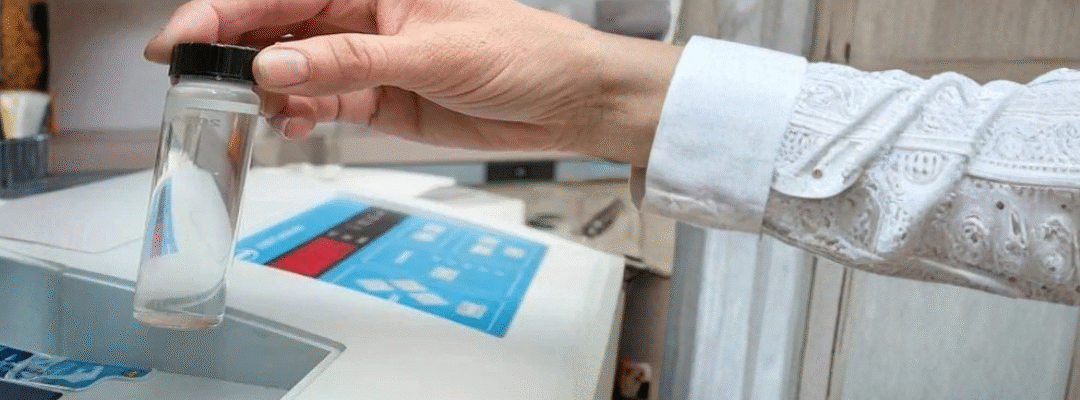
Brooklyn’s historic brownstones, row houses, and pre-war apartment buildings are an important part of the borough’s character. However, older properties may contain aging service lines, pipes, solder, or fixtures that introduce lead into tap water. Accredited lead water testing for Brooklyn can provide reliable laboratory results, helping residents and property managers identify contamination and take appropriate corrective action.
The situation began when a family on the fourth floor, concerned about the metallic taste of their morning coffee, decided to move beyond the building’s general annual report. They commissioned a “first-draw” laboratory test, which captures the water that has sat stagnant in the pipes overnight—the exact water most likely to be contaminated by aging plumbing. When the results showed lead levels nearly triple the EPA’s action limit, the family didn’t just install a filter; they shared the data with their neighbors. What followed was a masterclass in public education and grassroots advocacy that has since spread across the neighborhood.
The Historical Reality of Manhattan Plumbing
To understand why a historic Manhattan building can suddenly fail a water test, one must look at the physical legacy of the city’s development. For much of the 19th and early 20th centuries, lead was the industry standard for small-diameter water pipes. It was durable, flexible, and considered state-of-the-art at the time. In many Chelsea brownstones and mid-rise apartment houses, these original lead service lines—the pipes connecting the building to the city main—are still in the ground.
Even in buildings where the main service line has been replaced, lead persists in the form of “wiped” joints and lead-soldered copper pipes. In the science of plumbing, these joints act as localized reservoirs for lead. Over decades, a protective mineral scale usually forms over these materials, but Manhattan’s vibrant pace of life works against this protection. Constant vibrations from nearby subway lines, street utility work, and internal renovations can cause this brittle scale to flake off, releasing “pulses” of lead into the water. This is a recurring theme in our blog, where we track how localized disturbances can impact water quality block by block.
Why Community Action Was the Only Solution
In the Chelsea case, the individual homeowner realized that their specific “hot spot” was likely indicative of a building-wide issue. Lead doesn’t discriminate by floor or apartment number; if the service line or the main risers are leaching, every resident is at risk. However, Manhattan real estate is notoriously fragmented. Renters, co-op shareholders, and condo owners often feel they have little power over the “bones” of the building.
The community action began with a simple “water town hall” held in the building’s lobby. Residents pooled their resources to fund a comprehensive audit of the building’s entire vertical stack. By testing the water at the basement entry point, the roof tank, and various apartments on different floors, they were able to create a map of the contamination. This data-driven approach moved the conversation from “fear” to “problem-solving.” It allowed the board to see that the health risks were real and that the building’s liability was increasing every day the issue went unaddressed.
The Health Risks That Drove the Movement
The primary motivator for the Chelsea residents was the protection of their most vulnerable neighbors. Lead is a potent neurotoxin, and its health risks are most severe for pregnant women and young children. Lead accumulates in the body over time, and there is no known “safe” level of exposure. In children, it can lead to irreversible damage to the central nervous system, resulting in learning disabilities, shortened attention spans, and behavioral problems.
For the older residents of the building, the concerns were different but equally valid. Chronic low-level lead exposure has been linked to increased blood pressure and kidney strain in adults. By framing the issue as a collective health challenge rather than a private plumbing problem, the community was able to maintain a unified front when negotiating with the building’s management company and the city’s Department of Environmental Protection (DEP).
Navigating Policy and Responsibility
One of the biggest hurdles the Chelsea group faced was the complex policy landscape of New York City water. The city is responsible for the water until it reaches the property line, but the “last mile”—the pipe under the sidewalk and the internal plumbing—is the responsibility of the property owner.
Many historic buildings in Manhattan operate under a “reactive” maintenance model, where pipes are only replaced when they burst. The community action in Chelsea forced a shift toward “proactive” infrastructure management. They utilized the data from their private tests to apply for city-subsidized lead service line replacement programs. By citing the policy shifts occurring in 2026, which prioritize environmental justice and the elimination of lead from older neighborhoods, they successfully accelerated their building’s place on the city’s work schedule.
The Role of Transparency and Independent Testing
A common question found in our faq section is why municipal reports often show “satisfactory” levels while individual apartments fail. The answer lies in the sampling method. Municipalities often test at the source or at specific street-level stations. They do not—and cannot—test every kitchen tap in Manhattan.
The Chelsea residents learned that independent, third-party laboratory audits are the only way to get a true picture of “premise plumbing” safety. These tests identify not just lead, but also copper, iron, and bacterial regrowth that can occur in stagnant lines. The transparency provided by these reports became the community’s greatest asset. When the management company initially tried to downplay the results, the residents produced a stack of certified lab reports that were impossible to ignore.
Remediation: Turning Data into Results
The community action resulted in a comprehensive three-stage remediation plan for the Chelsea building:
- Immediate Protection: The building board provided high-quality, NSF-53 certified point-of-use filters for every kitchen tap in the building.
- Infrastructure Upgrade: A contract was signed to replace the aging lead service line and the primary basement manifold.
- Continuous Monitoring: The building established a “water safety committee” that oversees semi-annual testing to ensure the new systems are performing as expected.
As highlighted in our public education sessions, remediation is not just about changing a pipe; it’s about changing the culture of the building. The residents now understand how to properly flush their taps after a weekend away and the importance of cleaning their aerators monthly to remove trapped sediment.
Conclusion: A Blueprint for Manhattan
The story of the Chelsea building is a powerful reminder that while we live in a city of millions, our most effective power often lies within our own “vertical village.” Lead in a historic building is a significant challenge, but it is also an opportunity for community building. By moving from suspicion to science, these residents ensured that their historic home would remain a safe haven for the next generation of New Yorkers.
The most effective next step for any Manhattan resident or board member who is concerned about the age of their building’s plumbing is to move from assumption to verification. If you have questions about the health risks in your specific neighborhood or want to learn how to structure a building-wide audit, the best path forward is to contact a specialist today. Don’t wait for a leak or a failed blood test to take action; let the data empower your community and protect your home.