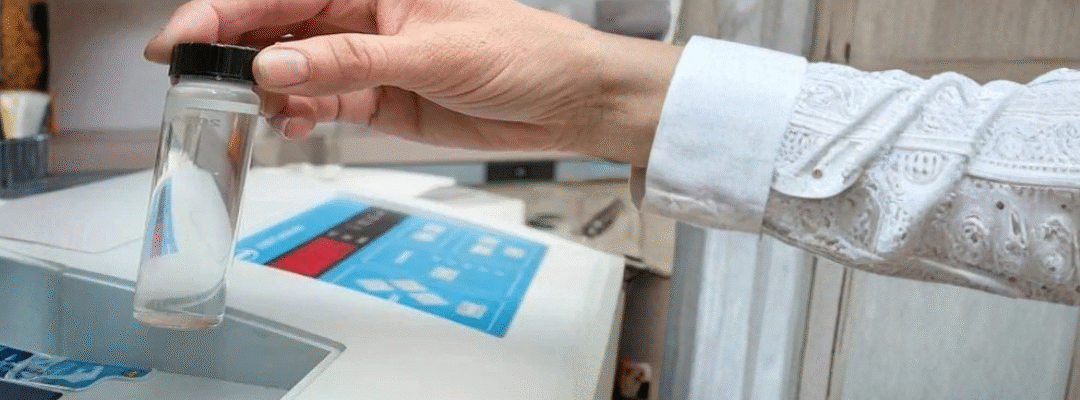
When a Bronx preschool conducted a water safety audit, most drinking fountains, kitchen taps, and classroom sinks returned acceptable results. However, one hand-washing sink showed elevated levels of lead and copper, demonstrating that contamination can occur at a single fixture even when the entire building shares the same water supply. Lead in tap water testing in the Bronx can identify these localized issues and help determine which outlets require corrective action.
This scenario is far more common than many realize, particularly in the diverse architectural landscape of Staten Island. From the repurposed historic buildings in North Shore to the more modern facilities in Tottenville, the “last inch” of plumbing often tells a different story than the “first mile” of the city’s water distribution system. This isolated failure serves as a critical case study in why comprehensive testing is the only way to ensure true safety in early childhood environments.
The Myth of Uniformity in Building Water
The most common misconception regarding water safety is the belief that water quality is a constant throughout a structure. In reality, once water enters a building, it flows through a complex network of “risers” and “branch lines.” Each of these pathways can be composed of different materials, installed at different times, and subjected to varying levels of use.
In the case of the Staten Island preschool, the isolated failure was likely not a “water issue” in the municipal sense, but a “fixture issue.” Every sink in a facility is a unique chemical environment. If a single sink was installed using an older brass faucet—which can contain up to 8% lead even in models sold as recently as the early 2010s—or if it was connected using a lead-soldered joint that wasn’t fully flushed, that specific tap becomes a source of contamination. Understanding these health risks is paramount for educators, as children are particularly susceptible to the neurotoxic effects of heavy metals.
The Role of Stagnation and Low-Use Taps
One of the primary culprits behind single-tap failures is water stagnation. In a school or preschool environment, certain sinks are used constantly—such as the kitchen prep sink or the main hallway fountain. These “high-flow” outlets are constantly replenished with fresh, chlorinated water. However, a sink in a specialty classroom or a remote bathroom might only be turned on once or twice a day.
When water sits motionless in a pipe or fixture for hours or days, it has more “contact time” with the metal. This allows lead and copper to leach into the water at much higher concentrations. This is often referred to as “stagnant water” syndrome. The preschool’s single failing sink may have been the one least used by staff, allowing the water to “cook” in the pipes and absorb metallic particulates. This highlights a key piece of public education: the “first draw” of water after a period of non-use is always the highest risk.
The “Dead Leg” Phenomenon
In older Staten Island buildings that have undergone renovations, it is common to find “dead legs”—sections of piping that were cut off but never fully removed from the active plumbing system. These dead legs trap water that can never be flushed away. Over time, the water in these stagnant pockets becomes highly corrosive and can serve as a reservoir for both heavy metals and bacteria.
If the failing sink in the preschool was located at the end of a plumbing run that included an old dead leg, the water reaching that tap would be pre-contaminated before it even reached the faucet. This is why professional water audits involve mapping the plumbing as much as sampling the water. Our blog frequently covers the technical challenges of managing water in older urban facilities and the hidden risks of legacy infrastructure.
A Local Context: Staten Island’s Varied Infrastructure
Staten Island presents a unique challenge for water safety because of its rapid development cycles. You might have a preschool operating out of a 100-year-old house next to a newly constructed commercial wing. The local plumbing profile of the borough is a patchwork of lead, galvanized steel, and modern PEX.
In this specific preschool case, the facility was located in a neighborhood with a high density of older service lines. While the school had successfully replaced its main service line years ago, the internal “branch” line leading to that specific classroom may have been a remnant of the building’s original construction. Isolated failures like this are why New York City policy has increasingly moved toward more frequent and granular testing in educational settings.
The Mystery of the Aerator
Sometimes the solution to a localized failure is surprisingly simple, yet often overlooked: the faucet aerator. The aerator is the small mesh screen at the tip of the faucet. Its job is to mix air with the water to provide a smooth flow. However, these screens also act as filters for large particulates.
In older systems, flakes of lead or “rust” from galvanized pipes can become trapped behind the aerator screen. As water passes through, it slowly dissolves these trapped particles, leading to elevated lead levels in every sample taken from that tap. Cleaning or replacing aerators is one of the most cost-effective ways to improve water quality, a tip often found in our faq section for facility managers and concerned parents.
Why “One and Done” Testing is Dangerous
The preschool’s discovery underscores the danger of “representative sampling.” If the administration had only tested the main kitchen sink and assumed the results applied to the whole building, they would have missed the hazard in the rear classroom. Localized failures prove that every tap used for drinking or food preparation must be treated as an individual risk factor.
For Staten Island parents, this story is a reminder to ask specific questions: “Was every tap tested, or just a sample?” and “Were the samples ‘first draw’ or ‘flushed’?” A first-draw sample (taken after the water has sat for at least six hours) is the only way to capture the localized leaching occurring at that specific fixture.
Remediation: Moving from Failure to Safety
Once the preschool identified the failing sink, the path to safety was clear. The tap was immediately taken out of service, and a specialized plumbing team was called in to identify the source. The remediation process typically involves:
Fixture Replacement: Swapping out older brass faucets for certified lead-free models. Line Replacement: Replacing the specific branch line leading to the sink if it is found to be galvanized or lead-soldered. Point-of-Use Filtration: Installing a high-quality filter directly under the failing sink as an added layer of protection.
By isolating the problem to a single outlet, the preschool was able to fix the issue quickly and cost-effectively without needing to overhaul the entire building’s plumbing. This proactive approach not only protected the students but also preserved the facility’s reputation for safety.
Empowering Staten Island Communities
The goal of sharing these localized failure stories is not to create alarm, but to empower our community. When we understand that water safety is a “tap-by-tap” issue, we can take more effective action. Whether you are a parent, a teacher, or a facility manager, vigilance and granular data are your best tools.
If you have questions about a specific result you’ve received or need guidance on how to set up a comprehensive testing plan for a Staten Island facility, we are here to help. Our contact page connects you with experts who understand the nuances of New York City’s water infrastructure.
Conclusion: The Lesson of the Single Sink
The Staten Island preschool’s experience is a powerful reminder that “good” water at the street doesn’t always mean “safe” water at the sink. By identifying and fixing a localized failure, the school demonstrated the highest standard of care for its students. In the world of water safety, the smallest details—the age of a faucet, the length of a pipe, or the cleanliness of an aerator—can make the biggest difference in a child’s health.
Let this be a call to action for all local institutions: test every tap, trust the data, and remember that safety is a constant process of verification.