The checklist for expectant parents is notoriously exhaustive. From the precise angle of the car seat installation to the antibacterial properties of the nursery paint, modern nesting is a high-stakes exercise in risk mitigation. Yet, according to a growing number of pediatricians and environmental health experts, one of the most critical safety checks is often overlooked until the first bottle is mixed: the chemical integrity of the kitchen tap.
For decades, the medical community focused on lead paint as the primary environmental hazard for infants. However, as infrastructure ages and our understanding of “premise plumbing” evolves, the focus has shifted toward the water. Pediatricians are now increasingly recommending that families conduct a comprehensive tap water test before bringing a newborn home. This is not merely a suggestion for those in older, industrial cities; it is a fundamental preventative health measure for any family relying on a private or municipal water source.
The Biological Vulnerability of the Newborn
To understand why doctors are prioritizing water testing, one must look at the unique physiology of an infant. A newborn is not simply a “small adult.” Their metabolic rate, their rate of water consumption relative to body weight, and their developing neurological pathways make them uniquely susceptible to waterborne contaminants.
An infant’s brain is a hive of activity, forming millions of neural connections every second. Heavy metals like lead and copper are neurotoxins that can interfere with this delicate process. Because a baby’s blood-brain barrier is more permeable than an adult’s, these metals can cross into the central nervous system with alarming ease. Furthermore, an infant’s kidneys are not yet fully efficient at filtering out toxins, meaning that whatever they ingest stays in their system longer. When we discuss the health risks of early exposure, we are talking about permanent shifts in a child’s developmental trajectory.
The Formula Factor: Water as Primary Nutrition
For families who use infant formula, water is not just a beverage; it is the delivery system for 100% of the child’s nutrition. If a parent is unknowingly using water contaminated with lead, nitrates, or manganese to mix formula, that infant is receiving a concentrated dose of those contaminants multiple times a day.
Pediatricians point out that while breastfeeding provides a natural buffer, many mothers eventually supplement with formula or transition to it entirely. Having a “clean” water report in hand before that transition occurs prevents accidental exposure. This is a core pillar of public education that many hospitals are beginning to integrate into their prenatal discharge planning: your water is your baby’s most consumed “food.”
Beyond the Water Main: The Premise Plumbing Reality
A common point of confusion for parents is the belief that a “passing” report from the municipal water utility means the water at their sink is safe. While the city may deliver high-quality water to the property line, it is the “last mile” of plumbing—the pipes inside the home—that usually causes the problem.
In older homes, lead-soldered copper pipes or galvanized steel lines can leach metals into the water as it sits stagnant overnight. Even in newer homes, certain brass fixtures, despite being labeled “lead-free,” can contain trace amounts of lead that accumulate in the first few ounces of water drawn from the tap. A local tap test is the only way to verify what is actually happening at the specific faucet where the baby’s bottles will be prepared.
The Danger of Stagnation and “First Draw” Samples
One of the most important lessons pediatricians want parents to learn is the concept of “water age” or stagnation. When water sits in pipes for six to eight hours—standard for a household overnight—it has maximum contact time with the plumbing materials. This is when leaching is at its peak.
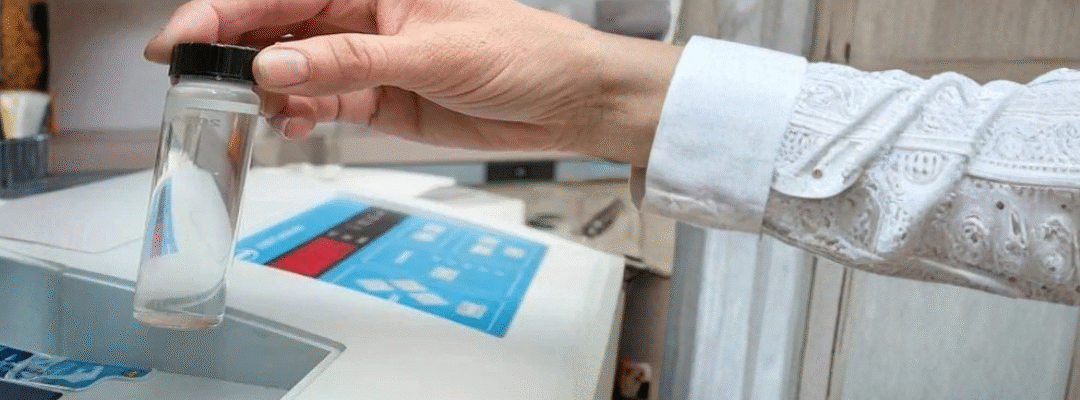
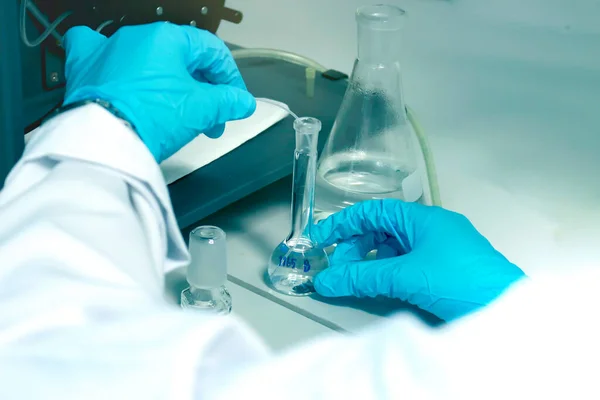
For a parent waking up at 3:00 AM to prepare a bottle, that first burst of water from the tap is the highest-risk sample. This is why professional lab testing is so vital; it teaches parents how to take a “first-draw” sample to capture the worst-case scenario. Many parents find the technical details of sampling in our faq section, which clarifies that you cannot “see” or “smell” the most dangerous contaminants like lead or nitrates.
Nitrates and Blue Baby Syndrome
While lead often dominates the conversation, pediatricians in semi-rural or agricultural areas are equally concerned about nitrates. Nitrates, often from fertilizer runoff or septic system failure, can lead to a condition known as methemoglobinemia, or “Blue Baby Syndrome.” This condition interferes with the blood’s ability to carry oxygen, which can be life-threatening for an infant.
A standard city water report might show safe nitrate levels at the treatment plant, but a failing septic system on a nearby property or a crack in a private well casing can spike levels at a specific home. Doctors recommend testing for nitrates specifically if the home relies on a well or is located near agricultural land. This proactive stance is a recurring theme on our blog, where we track emerging contaminants and their impact on pediatric health.
The Role of Emerging Policy and Protection
Governmental policy is slowly catching up to medical recommendations. Some states are now considering or implementing laws that require water testing as part of the home-buying process or as a requirement for rental properties with young children. However, these policies often take years to enact.
Pediatricians are encouraging parents not to wait for a mandate. By taking the initiative to test their own water, parents are filling a gap in the current regulatory framework. This is especially true for renters, who may not have control over the building’s internal plumbing but have the right to know what is in their water.
Interpreting Results: What Should Parents Look For?
When a lab report comes back, parents are often overwhelmed by the rows of chemical symbols and numbers. Pediatricians recommend focusing on a few key parameters for infant safety:
Lead: The goal should be zero. Any detectable level in a “first-draw” sample should trigger a remediation plan. Copper: High levels can cause gastrointestinal distress in infants. Nitrates/Nitrites: Essential for homes near farms or on wells. Coliform Bacteria: To ensure the system is sealed and free from surface contamination. Manganese: Recent studies suggest high levels can affect cognitive development.
If a test fails, the solution is often simpler than parents fear. It may involve installing a certified point-of-use filter, replacing an old faucet, or simply adopting a strict “flushing” protocol where the water is run for two minutes before use.
Building a Culture of Water Literacy
The push for pre-baby water testing is part of a larger movement toward environmental literacy. Pediatricians want parents to be as comfortable reading a water report as they are reading a nutrition label on a jar of baby food. When parents understand the relationship between their home’s plumbing and their child’s health, they become better advocates for their family.
This literacy also helps parents navigate the “marketing noise” of the filtration industry. Not every filter removes lead, and some “alkaline” or “mineral” filters can actually add unwanted elements back into the water. Having a lab report allows a parent to buy exactly the filter they need, rather than overspending on technology that doesn’t address their specific risks.
A Professional Partnership for Safety
Ultimately, a pediatrician’s recommendation for water testing is about partnership. The doctor manages the clinical side of the child’s health, while the parent manages the environmental side. By providing the doctor with a copy of the home’s water report, parents can have a more informed conversation about the child’s growth and development.
If you are currently pregnant or planning to bring a child into a new home, the time to test is now. Do not wait until the baby is home and the schedule is chaotic. A few minutes spent taking a sample today can prevent years of health concerns later.
For those who are unsure of which tests are necessary for their specific type of home or geographic area, please visit our contact page. Our specialists can help you navigate the testing process and provide the technical guidance needed to ensure your baby’s first drink of water is as safe as it can possibly be.
Conclusion: The Gift of a Clean Slate
Bringing a baby home is one of life’s most profound transitions. We spend so much energy ensuring the crib is soft and the room is warm, but we must also ensure the very essence of life—the water—is pure. Testing your tap is a gift of a clean slate for your child. It is an act of love that resides in the quiet, invisible details of home safety, ensuring that every bottle and every bath is a foundation for a healthy future.