For most parents, the transition into early childhood is a whirlwind of milestone tracking, from the first wobbly steps to the explosion of language. We obsess over the nutritional content of organic purées and the safety ratings of car seats, yet one of the most significant environmental exposures a child faces remains largely invisible: the water flowing from the kitchen tap. In the critical window of development between birth and age five, a child’s relationship with water is fundamentally different from an adult’s. Because their bodies are still “under construction,” the chemical and mineral makeup of their drinking water can have a profound impact on their long-term health trajectory.
Understanding tap water safety is not about living in fear; it is about empowerment through data. By recognizing how a child’s physiology interacts with modern plumbing, parents can move from passive consumption to proactive protection, ensuring that the water used for every bottle, sippy cup, and home-cooked meal is a source of growth rather than a hidden risk.
The Biological Vulnerability of the Developing Child
The primary reason parents must prioritize water awareness is rooted in basic human biology. Children are not simply small adults; they are physiologically distinct. For their size, children drink more water, eat more food, and breathe more air than adults. This means that if a contaminant is present in the water supply, a child receives a much higher dose relative to their body weight.
Furthermore, a child’s internal systems are still maturing. Their gastrointestinal tract is more efficient at absorbing heavy metals like lead, and their kidneys are less capable of filtering out toxins. Perhaps most importantly, the blood-brain barrier—the body’s protective shield for the central nervous system—is more permeable in early childhood. This allows contaminants to reach the developing brain more easily, potentially interfering with the delicate process of neural pruning and synapse formation. When we discuss the health risks of tap water, we are focusing on this high-stakes window of neurological development.
Lead: The Legacy Contaminant in Modern Homes
Lead remains the most significant concern for parents, particularly those living in older urban environments or homes built before 1986. Even though the use of lead in new plumbing was restricted decades ago, millions of homes still contain lead service lines or copper pipes joined with lead-based solder.
Lead is a potent neurotoxin with no known safe level of exposure for children. It can lead to decreased IQ, behavioral challenges, and hearing impairment. The challenge for parents is that lead is invisible, tasteless, and odorless. You cannot tell if your child is being exposed just by looking at the water. This is why public education efforts emphasize that the age of your home’s plumbing is the single greatest predictor of lead risk. If you are living in a historic neighborhood, your “premise plumbing” (the pipes inside your walls) may be altering the water quality provided by the city.
The First-Draw Danger and Stagnation
One of the most important habits a parent can adopt is understanding “water age.” When water sits motionless in your pipes overnight or while you are at work, it has maximum contact time with the metal surfaces of your plumbing. This “stagnant water” is where lead and copper leaching reach their peak concentrations.
For a parent preparing an early morning bottle of formula, that first burst of water from the tap is the most dangerous. Pediatricians and environmental experts recommend a “flushing” protocol: running the cold water for 30 seconds to two minutes until it feels noticeably colder before using it for drinking or cooking. This simple, no-cost action pulls fresh water from the main into your home, significantly reducing the heavy metal load. For more specific guidance on how to perform these checks, our faq section provides a step-by-step breakdown of safe sampling and flushing techniques.
Why Hot Tap Water is Never for Consumption
It is a common sight in many kitchens: a parent filling a pot with hot tap water to speed up the boiling process for pasta, or using warm tap water to mix a quick bottle. In a home with older plumbing, this is a significant safety error. Hot water heaters are notorious for accumulating sediment and scale, and hot water is a much more aggressive solvent than cold water.
Hot water leaches lead and other metals from pipes and fixtures much faster than cold water does. Parents should always start with cold water from the tap and heat it on the stove or in a kettle. By making the “cold-only” rule a standard in your household, you eliminate one of the most common pathways for heavy metal ingestion in early childhood.
Nitrates and the Risk to Infants
While lead is often the focus in cities, parents in more rural or suburban areas must be aware of nitrates. Often a result of fertilizer runoff or failing septic systems, high nitrate levels can lead to a condition known as methemoglobinemia, or “Blue Baby Syndrome.” This condition prevents an infant’s blood from carrying sufficient oxygen, which can be life-threatening.
If your home relies on a private well, annual testing for nitrates is a non-negotiable part of child safety. Unlike municipal systems, which are governed by strict federal policy and monitoring, a private well is the sole responsibility of the homeowner. Ensuring your well casing is intact and your water is free of agricultural runoff is a vital part of protecting a newborn’s respiratory health.
The Role of Filtration: Choosing the Right Shield
Many parents turn to water filters as a solution, but not all filters are created equal. A standard pitcher filter that improves taste by removing chlorine may do absolutely nothing to remove lead or arsenic. For parents concerned about early childhood exposure, it is essential to look for filters certified by the NSF (National Sanitation Foundation), specifically standard NSF/ANSI 53 for lead reduction.
Whether you choose a point-of-use filter under the kitchen sink or a whole-house system, maintenance is key. A saturated filter can actually begin to “dump” contaminants back into the water or become a breeding ground for bacteria. Keeping a log of filter changes is as important as the filter itself. We frequently discuss the pros and cons of different filtration technologies on our blog, helping parents navigate the “marketing noise” to find science-based solutions.
Taking a Local and Granular Approach
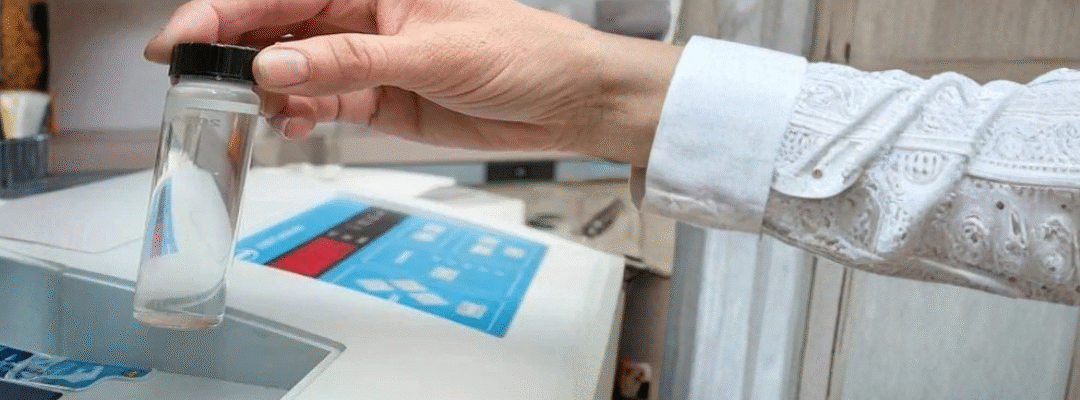
Water quality is a local issue. A report from three blocks away may not reflect the reality of the pipes in your specific basement. For parents, the most reliable way to ensure safety is to conduct a professional lab test of the water at the actual tap used for the child’s food and drink.
This granular data allows you to move away from guesswork. If your lead levels are zero but your manganese is high, you can choose a filter specifically for that issue. Testing provides a “baseline” for your child’s environment, giving you peace of mind that the most fundamental resource in your home is supporting their growth.
Building a Culture of Water Literacy
As your child grows, they begin to watch and mimic your habits. By practicing water safety—using the cold tap, flushing the lines, and maintaining filters—you are teaching your child a form of environmental literacy. You are showing them that we respect the resources we consume and that we take responsibility for our health.
This awareness extends beyond the home. When your child enters daycare or preschool, ask about their water testing protocols. Many states are now implementing policies that require frequent testing in childcare centers, but parent advocacy remains the most powerful driver for these improvements.
Conclusion: A Foundation for the Future
Early childhood is a period of incredible potential and profound vulnerability. As parents, we cannot control every environmental factor our children encounter, but we can control the quality of the water they drink at home. By understanding the interaction between biology and plumbing, we turn a potential risk into a managed variable.
Safe water is the foundation upon which a healthy childhood is built. It is the silent partner in every growth spurt, every learned word, and every healthy immune response. Taking the time to test your water and adjust your habits today is an investment in your child’s cognitive and physical future that will pay dividends for decades to come.
If you are unsure of where to start with testing your home’s water or need help interpreting a report you’ve already received, we are here to help. Our team specializes in helping families navigate the complexities of water chemistry to ensure a safer home environment. Please visit our contact page to connect with an expert and take the first step toward total water awareness for your family.