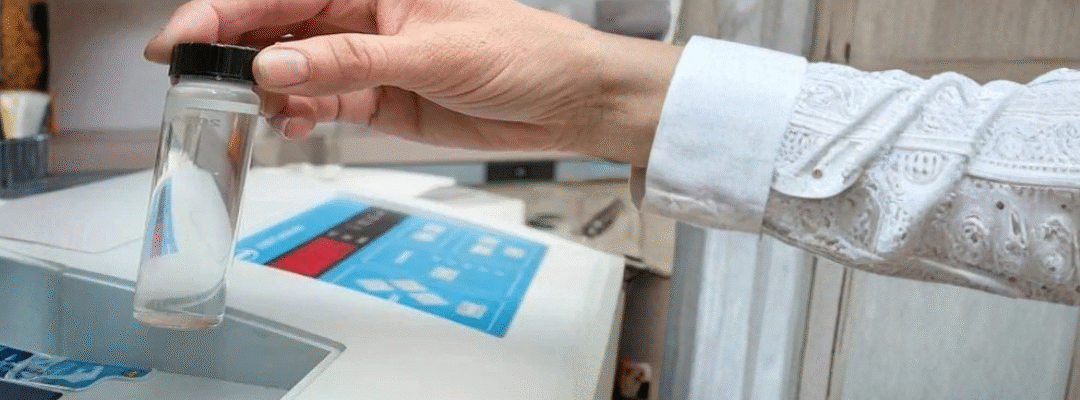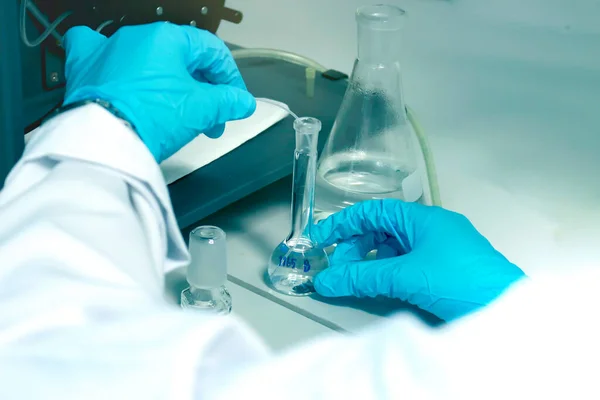
Water is expected to have a neutral taste, especially in healthcare environments where it is used for drinking, food preparation, hygiene, and patient care. A sudden bitter or metallic taste may indicate changes caused by aging pipes, corrosion, or shifts in the water supply. Residential water testing in Brooklyn can identify the cause of these changes and help healthcare facilities maintain safe, reliable water quality.
For many homeowners, a strange taste is the first indication that the “plumbing DNA” of their home is interacting poorly with the water supply. Understanding the nuances of these flavors is not just about culinary preference; it is about identifying potential health risks and structural issues within your home’s infrastructure.
The Metallic Tang: Iron, Manganese, and Zinc
The most common sensory complaint is a metallic taste, often described as sucking on a penny or a rusted nail. This is usually the result of “trace metals” leaching into the water. In many cases, this is a symptom of aging galvanized steel pipes or cast-iron mains. As these pipes corrode, they release iron and manganese into the flow.
While iron and manganese are mostly considered “secondary” contaminants—meaning they affect taste, odor, and staining more than direct toxicity—they can indicate that your pipes are nearing the end of their lifespan. However, a metallic taste can also be a warning sign for zinc. Zinc is often used in the galvanizing process, and if the protective coating is failing, it can leach into the water in high enough concentrations to create a sharp, astringent flavor. For residents in older urban areas, this metallic profile is a local reality that warrants a closer look at the age of the “premise plumbing” behind the walls.
The Copper Connection: Bitter Notes and Blue Stains
If the taste is less like iron and more “bitter” or “sharp,” copper may be the culprit. Copper leaching is a widespread issue in homes with newer copper plumbing or in areas with aggressive, acidic water. If your water has a low pH (below $6.5$), it acts as a solvent, slowly dissolving the copper from your pipes and fixtures.
High copper levels don’t just affect the flavor of your morning coffee; they can lead to gastrointestinal distress, including nausea and stomach cramps, particularly in children. If you notice a bitter taste accompanied by blue-green staining in your sinks or bathtubs, your water chemistry is effectively “eating” your plumbing. This is a common topic in our public education outreach, as many people mistake these stains for simple soap scum rather than a chemical imbalance.
The Invisible Threat: When Metallic Doesn’t Mean Lead
One of the most dangerous misconceptions is that lead has a metallic taste. In reality, lead is completely tasteless, odorless, and colorless. A common scenario we discuss on our blog involves homeowners who assume their water is lead-free because it “tastes fine,” or conversely, homeowners who worry about lead because their water tastes like iron.
It is entirely possible to have water that tastes heavily of iron (which is safe but unpleasant) while also containing high levels of lead (which is dangerous and tasteless). The metallic taste you can perceive is often coming from less harmful metals, but it serves as a “canary in the coal mine.” If you can taste the iron or copper, it means your pipes are corroding, and if they are corroding, any lead-based solder or older lead service lines are likely leaching into the water as well.
Bitter Aftertastes: High TDS and Sulfates
A persistently bitter taste—distinct from a metallic one—is often caused by a high concentration of Total Dissolved Solids (TDS). This is a measurement of all the inorganic and organic substances dissolved in the water, including minerals like calcium, magnesium, and sulfates.
Sulfates, in particular, can impart a strong bitter or medicinal taste. While naturally occurring in many aquifers, high sulfate levels can have a laxative effect, especially on those not accustomed to the water. In many regions, the policy of municipal water management focuses on microbial safety, but “aesthetic” issues like high TDS are often left to the homeowner to manage with point-of-use filtration.
The “Water Age” Factor: Stagnation and Flavor
If you only notice a metallic or bitter taste first thing in the morning, you are likely experiencing the effects of “water age.” When water sits motionless in your pipes for six to eight hours, it has maximum contact time with the metal. This stagnant water absorbs the “signature” of your pipes.
This is why we emphasize “flushing” in our faq section. By running the cold water for two minutes, you are clearing out the water that has been “cooking” in your pipes and pulling in fresh water from the city main. If the taste disappears after flushing, the problem is localized to your home’s plumbing. If the taste persists even after the water turns cold, the issue likely originates with the municipal source or the service line under your yard.
The Role of pH and Corrosion Control
The flavor of your water is often a reflection of its pH. Water that is too “soft” or acidic is much more likely to taste metallic because it is actively stripping minerals from your pipes. Conversely, water that is very “hard” or alkaline can taste bitter or chalky due to high mineral content.
Municipalities often add phosphate-based corrosion inhibitors to the water to coat the inside of pipes and prevent leaching. If the balance of these inhibitors shifts—due to seasonal changes or maintenance at the treatment plant—you may notice a sudden change in taste. Your tongue is essentially a real-time monitor for the chemical stability of the entire city’s distribution network.
Testing: Moving from Guesswork to Data
Because your senses can only tell you that “something” is wrong, but not exactly “what” is wrong, laboratory testing is essential. A “DIY” test strip from a hardware store might tell you the pH, but it won’t give you the granular parts-per-billion (ppb) data needed to differentiate between harmless iron and a dangerous copper spike.
A professional lab test provides a “chemical fingerprint.” It can tell you if that bitter taste is coming from high sulfates, an old brass faucet, or a failing water heater anode rod. For many families, this data is the only way to gain peace of mind and choose the correct filtration system. We invite those who are confused by a sudden change in their water’s flavor to reach out through our contact page for guidance on which test parameters are most relevant to their symptoms.
Choosing the Right Solution
Once you have identified the source of the taste, the solution is often targeted:
Point-of-Use Filtration: An NSF-certified carbon filter can remove many taste and odor issues, while specialized ion-exchange filters can target specific metals like lead and copper.
Aerator Maintenance: Cleaning the small screens on your faucets can remove trapped metallic flakes that might be tainting every glass of water.
Thermal Flushing: Periodically draining and flushing your hot water heater can remove the “metallic” sediment that accumulates over time.
Pipe Replacement: In cases where the taste is caused by systemic corrosion of galvanized pipes, the only permanent solution is replacing the legacy plumbing with modern, inert materials like PEX or stainless steel.
Conclusion: Listening to Your Senses
Your tap water should not be a mystery. A bitter or metallic taste is a signal that your water’s chemistry has stepped out of balance. By paying attention to these sensory cues and following up with scientific testing, you can protect your home’s plumbing and your family’s health.
Clear water is a fundamental right, but “tasteless” water is the true goal. When you understand what your water is telling you, you move from being a passive consumer to an informed advocate for your own environmental safety.