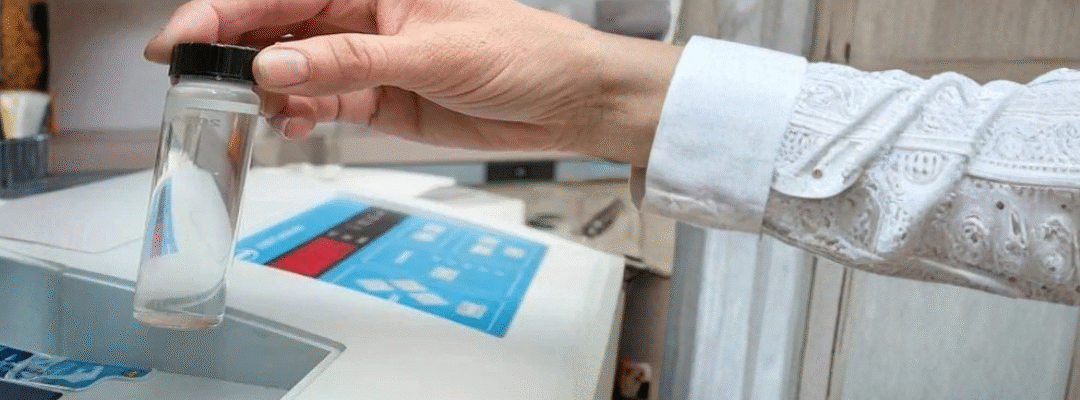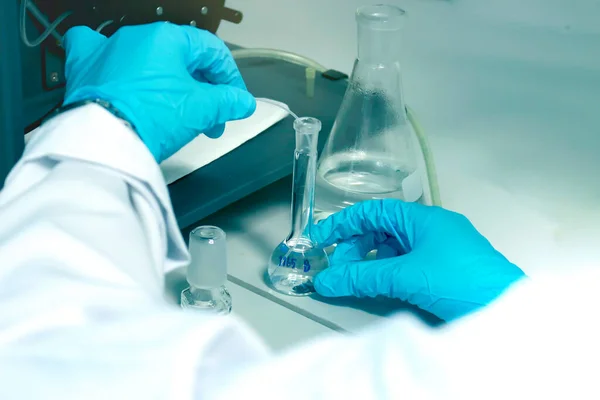
Many homeowners assume that clear water in a clean home must be safe. However, water quality depends largely on the condition of the pipes and fixtures carrying it throughout the property. Aging metals, corrosion, and microbial biofilms can introduce contaminants that are invisible to the eye. Certified drinking water testing in the Bronx can help identify these hidden risks and provide reliable information about your household water.
Schools follow careful cleaning routines to sanitize classrooms, maintain common areas, and reduce exposure to dust and allergens. However, surface cleaning cannot address risks within the pipes and fixtures hidden behind the walls. Certified school water testing in NYC can help detect lead, bacteria, and other contaminants that may affect the safety of drinking water throughout the building.
The “Premise Plumbing” Paradox
The term “premise plumbing” refers to the system of pipes, fixtures, and valves inside your property line. While your municipal water provider is responsible for delivering water that meets federal standards to your water meter, the journey from that meter to your kitchen faucet is entirely your responsibility.
In an older home, this journey can be hazardous. Even if the city has updated its main lines, your house may still have a lead service line or copper pipes joined with lead-based solder. Because lead is a soft, malleable metal, it was the industry standard for decades. Over time, the protective mineral scale inside these pipes can break down, allowing lead to leach into the water. This process has nothing to do with the cleanliness of your home; it is a matter of metallurgical decay. Understanding these health risks is essential because lead exposure, even at low levels, can have permanent effects on a child’s neurological development.
The Myth of the Visual Check
We are biologically programmed to avoid water that looks “dirty.” If we see brown, rusty water coming out of the tap, we immediately stop drinking it. However, the most dangerous contaminants are often those that leave the water looking perfectly crystal clear. Lead, arsenic, and PFAS (per- and polyfluoroalkyl substances) do not change the color, taste, or odor of water.
A “clean” house can still have water that is high in dissolved lead if the water chemistry is aggressive. If your water is slightly acidic or “soft,” it acts as a solvent, eating away at the interior of your pipes. This is why public education is so critical; parents need to know that the “eye test” is insufficient. A glass of water can look like a mountain spring and still contain lead levels well above the EPA action level.
Stagnation: The Silent Risk in Guest Rooms and Empty Nests
In a large, clean home, there are often “dead zones”—faucets in guest bathrooms, wet bars, or basement utility sinks that are rarely used. In the world of water safety, use is a form of protection. When water moves through a pipe, it stays fresh. When it sits motionless for days or weeks, it enters a state of “stagnation.”
Stagnant water allows for two major risks: chemical leaching and bacterial growth. The longer water sits in contact with a metal pipe or a brass fixture, the more metal it absorbs. Additionally, the disinfectant (chlorine) provided by the city slowly decays over time. Without that chlorine “shield,” bacteria can begin to colonize the interior of your pipes, creating a thin, slimy layer called biofilm. This is why we frequently suggest in our blog that homeowners perform a “full-house flush” after returning from vacation or before using a guest wing.
The Hot Water Heater: A Hidden Reservoir of Sediment
When was the last time you drained your hot water heater? For most people, the answer is “never.” While the exterior of the tank might be wiped clean, the interior is often a different story. Over years of use, minerals, heavy metals, and sediment settle at the bottom of the tank.
Hot water is significantly more corrosive than cold water. It leaches metals from the tank and the surrounding pipes much faster. If you use hot tap water for cooking or making baby formula, you are drawing from this concentrated reservoir of sediment and dissolved metals. This is a local plumbing habit that can be easily corrected, but it requires moving beyond surface-level cleaning and into mechanical maintenance.
The Hidden World of Faucet Aerators
Even if your pipes are modern and your water heater is new, a tiny risk could be hiding right at the tip of your faucet. The aerator—the small mesh screen that screws onto the end of the spout—is designed to conserve water and prevent splashing. However, it also acts as a trap for particulates.
If there has ever been construction on your street or a water main break nearby, tiny flakes of lead, copper, or rust can be pushed into your home’s plumbing and get caught behind these screens. As water passes over these trapped particles, it slowly dissolves them, spiking the lead content of every glass of water you pour. A clean kitchen doesn’t guarantee a clean aerator. We cover the steps for cleaning these fixtures in our faq section, as it is one of the simplest ways to improve water quality immediately.
Policy and the Limits of “Passing” Reports
Many homeowners rely on the annual Water Quality Report (Consumer Confidence Report) issued by their municipality. While these are important documents, they represent the water quality at the treatment plant or at specific, regulated sampling points. They do not represent the water quality at your kitchen sink.
The current federal policy under the Lead and Copper Rule focuses on system-wide trends. It is not a guarantee for individual households. If your neighbor’s house was built in 2010 and yours was built in 1960, your water risks are fundamentally different. A “clean” bill of health for the city does not mean a clean bill of health for your pipes.
The Necessity of Laboratory Testing
Since you cannot see, smell, or taste the most significant risks, the only way to know the truth is through professional laboratory testing. A “DIY” kit from a hardware store is a starting point, but they often lack the sensitivity required to detect lead at the low parts-per-billion (ppb) levels that pediatricians are concerned about.
A professional test provides a “chemical fingerprint” of your home. It tells you exactly what is happening in the one place you cannot see. For many families, this data is the missing piece of their home safety plan. If you have questions about which testing package is right for the age and style of your home, we invite you to reach out via our contact page.
Simple Habits for a Truly Safe Home
Once you recognize that a clean house isn’t necessarily a safe-water house, you can adopt habits that bridge the gap:
The Morning Flush: Run the cold water for 1–2 minutes every morning before using it for drinking or cooking. This clears out the stagnant water that has been “cooking” in your pipes overnight.
Cold Water Only for Consumption: Always use the cold tap for drinking and cooking. If you need hot water, heat it on the stove or in a kettle.
Aerator Maintenance: Unscrew and clean your faucet aerators at least twice a year to remove trapped sediment.
Filter Maintenance: If you use a water filter, change the cartridge on time. A saturated filter can actually become a source of contamination.
Conclusion: Expanding the Definition of “Clean”
A truly clean home is one where the hidden systems are as well-maintained as the visible ones. By looking past the pristine countertops and into the reality of your home’s plumbing, you are taking a higher level of responsibility for your family’s health.
Water safety is an active process, not a passive state. It requires a shift from assuming safety to verifying it. When you combine your diligent cleaning habits with a proactive water safety strategy, you create a home that isn’t just clean—it’s truly safe.