When we think about home safety, we often focus on visible and familiar precautions. We check smoke detector batteries, confirm that carbon monoxide monitors are working, and lock our doors before bed. However, one essential resource often goes unmonitored: the water flowing from the kitchen tap. Using potable water testing services in NYC can help identify potential contaminants and ensure your household water is safe for everyday use.
For many Manhattan property owners and businesses, water safety is often assumed to be managed entirely by the city. However, aging infrastructure and evolving health standards make routine testing increasingly important. Working with Manhattan commercial water testing specialists allows businesses to verify water quality, identify potential contaminants, and make informed decisions based on reliable data.
The Dynamic Nature of Home Plumbing
The primary reason a one-time test is insufficient is that your home’s plumbing is not a static system. It is a dynamic chemical environment. The interaction between the water provided by the municipality and the “premise plumbing” inside your walls can change based on a variety of factors.
Seasonal changes in water temperature can alter how aggressively water leaches metals from pipes. Variations in the city’s disinfection routine—such as a temporary switch from chlorine to chloramines—can shift the water’s pH and stability. Even localized events, like a water main break down the street or nearby construction, can jar loose “scale” and sediment that has sat undisturbed for decades. A yearly test serves as a health checkup for your home’s unique infrastructure, ensuring that the local conditions in your specific pipes haven’t shifted toward a higher risk profile.
Protecting the Most Vulnerable: The Pediatric Perspective
For families with young children, the stakes of water quality are significantly higher. Children drink more water per pound of body weight than adults, and their developing bodies are far more efficient at absorbing heavy metals. While an adult’s body might filter out a small amount of lead, a child’s body treats it as a building block, often storing it in the bones and brain.
Pediatricians emphasize that early childhood exposure to lead and copper can have long-term developmental consequences that may not be visible for years. By the time a child shows symptoms of exposure, the window for prevention has closed. A yearly water test acts as a “leading indicator.” It allows parents to identify a rising trend in contaminants before they reach a level that impacts a child’s health. This proactive approach is a cornerstone of our public education efforts, moving the needle from treatment to total prevention.
Beyond Lead: The Rising Concern of Emerging Contaminants
While lead is often the focus of water safety conversations, a modern laboratory test looks for a much broader spectrum of concerns. In recent years, “forever chemicals” like PFAS and PFOA have entered the national spotlight. These man-made chemicals are persistent in the environment and have been linked to immune system suppression and hormonal disruptions.
Because federal and state policy regarding these emerging contaminants is still catching up to the latest science, many municipal reports may not even include them yet. An independent yearly test allows a family to stay ahead of the regulatory curve. It provides a snapshot of your water’s chemical fingerprint, covering everything from nitrates and arsenic to manganese and volatile organic compounds (VOCs). Understanding these health risks allows you to make informed decisions about filtration before a public health advisory is ever issued.
The Myth of the Visual Check
One of the biggest hurdles to regular testing is the belief that “if the water looks, smells, and tastes fine, it must be safe.” Unfortunately, the most dangerous contaminants—lead, arsenic, and PFAS—are completely colorless, odorless, and tasteless.
You cannot see the lead ions that have leached into the water from a stagnant pipe overnight. You cannot taste the nitrates that have seeped into a private well from agricultural runoff. Relying on your senses to judge water safety is like relying on the appearance of a mushroom to determine if it’s poisonous; the most harmful varieties often look the most innocuous. On our blog, we frequently highlight stories of families who were shocked to find high lead levels in water that looked as clear as a mountain spring.
Verifying Your Filtration Investment
Many families feel they don’t need to test because they have already installed a filter. However, a filter is a mechanical device that requires verification. Over time, filter media can become saturated, or a “channeling” effect can occur where water finds a path around the filtration material rather than through it.
A yearly test should be conducted at the “point of use”—the tap where you actually fill your glasses. This allows you to verify that your filter is performing exactly as promised. It also helps you determine if you are using the right filter. Many families spend hundreds of dollars on pitcher filters that only remove chlorine (for taste) while leaving behind the lead or chromium they were actually worried about. A test provides the data needed to choose a filter that is precisely calibrated to your home’s needs.
Navigating the Complexities of “Water Age”
“Water age” refers to how long water has been sitting in your pipes. This is a critical factor in the concentration of leached metals. During the course of a year, your household’s water usage patterns might change. Perhaps a child has gone off to college, or you’ve started working from home. These shifts change the stagnation time of the water in your pipes.
A yearly test, particularly one that includes a “first-draw” sample, captures how these lifestyle changes impact your exposure. It helps answer the questions found in our faq regarding how long you should flush your taps in the morning or whether your specific usage patterns are keeping the water fresh enough to minimize leaching.
Building a Long-Term Health Record
Just as you keep records of your children’s vaccinations or your home’s tax assessments, keeping a yearly record of your water quality is a valuable asset. If you ever decide to sell your home, having a multi-year history of clean water tests is a powerful selling point for prospective buyers with families.
More importantly, if a new industrial site or a change in municipal treatment occurs in your area, you will have a “baseline” to compare against. You will be able to see exactly when and how your water quality shifted, providing you with the evidence needed to advocate for your family’s safety.
Taking the Guesswork Out of Parenting
Parenting is an exercise in managing a million small variables. We worry about screen time, nutrition, sleep cycles, and playground safety. Amidst all this complexity, water safety is one of the few variables we can actually quantify and control with precision.
A yearly water test takes one of the biggest “unknowns” and turns it into a “known.” It replaces anxiety with action. If the test is clear, you can sleep better knowing your foundation is solid. If the test shows a concern, you have the roadmap to fix it—whether that means changing a faucet, installing a specific filter, or simply adjusting your morning flushing routine.
How to Start Your Annual Tradition
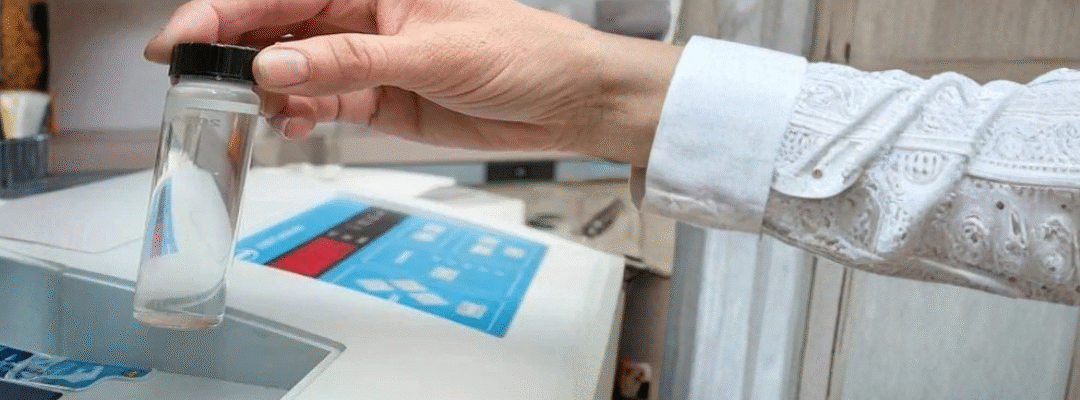
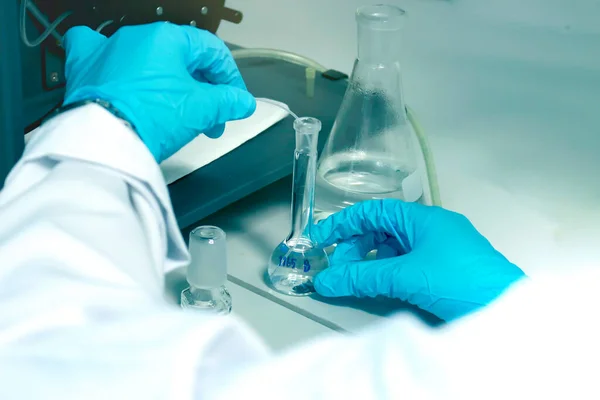
The best time to start is now. Most families find that tying the water test to a specific annual event—like the start of the school year or New Year’s Day—helps ensure it doesn’t get forgotten. The process is simple: you receive a sterile kit, collect the samples according to the instructions, and send them back to the lab.
If you are unsure which testing package is right for your home’s age or your geographic area, we invite you to reach out via our contact page. Our specialists can help you navigate the differences between a basic lead test and a comprehensive mineral and chemical analysis, ensuring you get the most value from your yearly checkup.
Conclusion: A Small Step for a Safer Future
In the grand scheme of home maintenance, a yearly water test is a small investment of time and money that yields an enormous return in peace of mind. It is a commitment to the idea that our families deserve the purest version of the most essential resource on earth.
By testing your tap every year, you are refusing to let your family’s health be a matter of chance. You are becoming an active guardian of your home’s environment. Let this be the year you start the tradition of verification—because when it comes to the water your children drink, “probably safe” isn’t good enough.