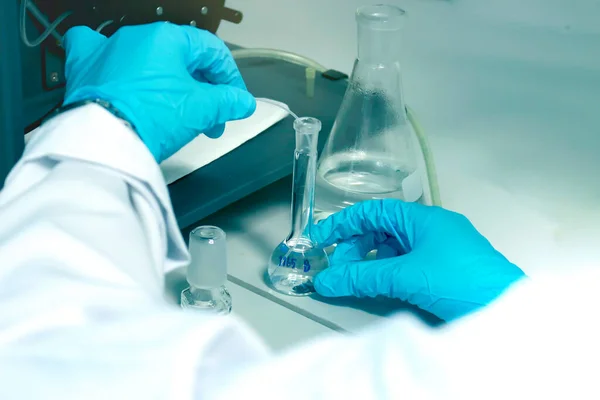
The modern idea of a healthy home extends far beyond appearance. Families invest in HEPA air purifiers, monitor volatile organic compounds, and reduce exposure to chemicals from furniture and carpets. Yet the quality of tap water is often overlooked. If you have wondered, “How can I check my drinking water for lead in Queens?” professional laboratory testing can provide accurate answers and help you make informed decisions about your household’s water.
Just as stagnant air can collect mold and pollutants, water sitting in a building’s premise plumbing can pick up heavy metals, bacteria, and other harmful substances. For educational facilities, Bronx school water testing specialists can identify hidden contaminants and provide reliable information about drinking water safety. Water quality deserves the same careful attention as indoor air quality, especially in environments where children spend much of their day.
The Parallel Risks of Air and Water
The comparison between air and water quality is scientifically sound. Both are “fluid” environments that we interact with constantly. In the air, we worry about “particulate matter” (PM2.5); in water, we face “suspended solids” and dissolved heavy metals like lead and copper. Just as outdoor smog can infiltrate a leaky house, municipal water issues can infiltrate your kitchen tap.
However, water often presents a more direct pathway to our internal systems. While air is filtered by our respiratory defenses, water is ingested directly into our digestive tract or absorbed through our skin during a hot shower. Wellness experts emphasize that the health risks of contaminated water are often more acute and persistent than those of poor air quality. For a child whose brain is rapidly developing, a “spike” in lead from a stagnant faucet can have more lasting consequences than a afternoon of high pollen counts.
Bioavailability and the Digestive Entry Point
A core tenet of modern wellness is “bioavailability”—how easily a substance is absorbed by the body. Water is the ultimate solvent. When contaminants like arsenic, nitrates, or lead are dissolved in water, they are in a highly bioavailable state. Your body processes these substances quickly, often mistaking toxic metals for essential minerals like calcium or zinc.
This is why public education is shifting toward a more granular view of home safety. If you are eating organic, non-GMO foods but washing them in—or cooking them with—water that contains trace levels of cadmium or chromium, you are essentially introducing the very toxins you are trying to avoid. Wellness experts recommend a “source-to-cell” audit of everything that enters the home, and that audit must begin with the kitchen tap.
The Aerosolization Factor: Why Water Quality Is Air Quality
One of the most compelling reasons wellness experts link water and air is the phenomenon of aerosolization. When you take a hot shower, run the dishwasher, or use a humidifier, you are turning your tap water into a breathable mist. If your water contains volatile chemicals like chlorine, chloramines, or radon, these substances are released into the air as gases.
Furthermore, biofilms—slimy colonies of bacteria like Legionella—can thrive inside showerheads and faucet aerators. When the water flows, these bacteria are dispersed into the air in tiny droplets. For individuals with asthma or chemical sensitivities, the “air quality” in their bathroom is directly dictated by their “water quality.” Testing your water is, in a very real sense, a secondary form of air testing. This interconnectedness is a frequent topic on our blog, where we explore how home systems impact one another.
Endocrine Disruptors and the “Forever Chemical” Crisis
Wellness advocates are particularly concerned with endocrine disruptors—chemicals that mimic or interfere with the body’s hormones. PFAS (per- and polyfluoroalkyl substances), often called “forever chemicals,” have become a focal point of environmental policy. These chemicals are colorless, odorless, and incredibly persistent.
While air filters can trap some dust-bound PFAS, the primary route of exposure for most families is drinking water. Because federal and state policy is still evolving to address these substances, wellness experts recommend that individuals take the lead. An independent water test can detect these specific compounds, allowing a family to install targeted filtration (like high-quality carbon or reverse osmosis) before the chemicals can impact their hormonal health.
The Fallacy of the Sensory Test
In the world of air quality, we know that carbon monoxide is a “silent killer” because it has no smell or color. We should view water contaminants with the same suspicion. Most people assume that if their water is clear and doesn’t smell like a swimming pool, it must be safe. Wellness experts debunk this daily.
Lead is tasteless. Arsenic is odorless. Nitrates are invisible. Just as you wouldn’t trust your nose to detect a radon leak in your basement, you shouldn’t trust your senses to detect a lead leach in your pipes. This is why we address the “sensory myth” in our faq section: the most dangerous things in your water are the ones you will never notice without a laboratory analysis.
Customizing Your Wellness Strategy Through Data
A “one-size-fits-all” approach to wellness rarely works. Some people need more vitamin D; some need less caffeine. The same applies to water. Depending on your local geology and the age of your home’s plumbing, your water “profile” will be unique.
Perhaps your water is naturally high in manganese, which can affect neurological health in high doses. Or perhaps your home’s copper pipes are leaching due to low pH levels. By testing your water, you are getting a data-driven “prescription” for your home. You can choose a filter that removes exactly what is present, rather than overspending on a system that doesn’t address your specific risks. This precision is the hallmark of modern health optimization.
Building an Environmental Health Baseline
Wellness experts recommend keeping a “health folder” for your home, similar to a medical file for a child. This folder should contain your air quality readings, your radon tests, and your annual water reports. Having a baseline allows you to notice trends. If your lead levels were non-detectable last year but show a slight spike this year, you can investigate—perhaps a new faucet was installed incorrectly, or there was a water main break nearby that disturbed your pipes.
This longitudinal data is invaluable. It turns environmental safety from a “one-off” task into a consistent habit of vigilance. It gives you the evidence needed to advocate for your family, whether you are talking to a landlord, a plumber, or a pediatrician.
How to Implement Water Testing in Your Wellness Routine
Integrating water testing into your lifestyle doesn’t have to be complicated. Wellness experts suggest the following steps:
Test Annually: Just like a physical exam, a yearly water test captures seasonal fluctuations and infrastructure changes. Test All Consumable Taps: Don’t just test the kitchen. Test the bathroom vanities where children brush their teeth and the refrigerator line. Go Beyond the Basics: Ensure your test includes heavy metals, VOCs, nitrates, and, if possible, emerging contaminants like PFAS. Verify Your Filtration: If you already use a filter, test the “finished” water to ensure the system is actually working as promised.
Conclusion: The Complete Environmental Picture
You wouldn’t live in a house without a smoke detector or ignore a moldy smell in your basement. Why, then, would you leave the safety of your water to chance? By elevating water testing to the same level of importance as air quality, you are completing the circle of environmental wellness.
Pure water is the silent partner in every healthy habit you have. It fuels your workouts, hydrates your cells, and prepares your food. Taking the time to verify its purity is the ultimate act of self-care. It provides the peace of mind that comes from knowing that the foundation of your home is truly as healthy as it looks.
If you are ready to treat your water with the same priority as the air you breathe, we are here to provide the tools. Whether you need a comprehensive chemical analysis or a targeted lead and copper test, our team can help you navigate the science of safety. Please visit our contact page to take the first step toward a totally optimized home environment.