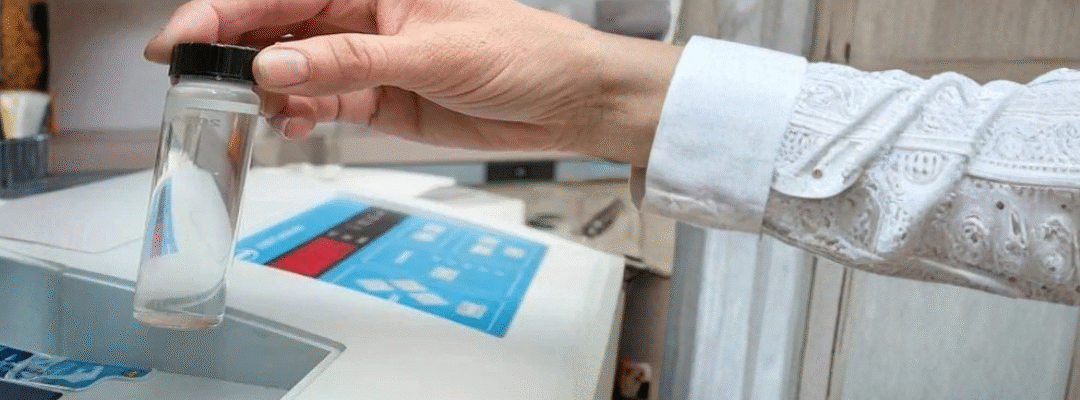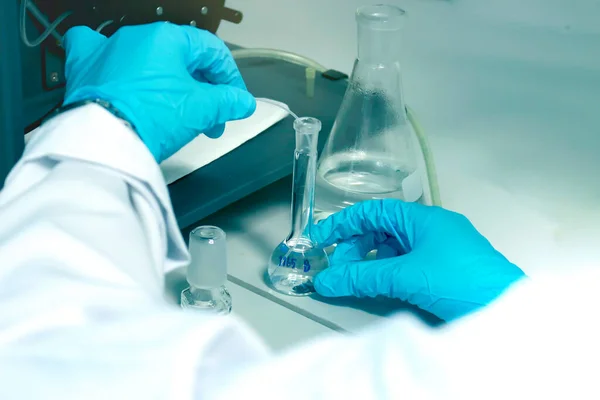
Receiving a laboratory water report can often bring a mixture of relief, concern, and uncertainty. By investing in residential lead water testing across the Bronx, homeowners have already taken an important step toward gaining a clearer understanding of what is present in their drinking water. However, when a laboratory report arrives with multiple pages of technical information, chemical names, detection levels, parts-per-billion measurements, and regulatory comparisons, it can be difficult to determine what the results actually mean for everyday household use.
Many homeowners may immediately focus on a highlighted contaminant or a result that appears close to or above a recommended safety limit. While these findings should always be reviewed carefully, a single number on a report does not tell the entire story. Water quality results need to be interpreted based on the type of contaminant detected, the testing conditions, the source of the water, and the potential pathways through which substances may have entered the supply.
A professional laboratory analysis is designed to provide information, not create unnecessary fear. A water testing report acts as a guide that helps homeowners understand potential risks and make informed decisions about improving their water quality. Whether the concern involves lead, copper, arsenic, bacteria, PFAS, or other unwanted substances, accurate testing results provide the foundation for choosing the right next steps.
For homeowners looking to better understand their household water conditions, Professional residential water testing in Manhattan offers valuable insight into possible contamination concerns and helps identify whether additional treatment, filtration, plumbing inspections, or preventive measures may be needed. Reliable testing removes the guesswork by providing measurable data that can be used to create a practical water safety plan.
Understanding a laboratory water report is an important part of protecting your household. Instead of viewing test results as a final judgment on your water supply, they should be seen as a useful tool that highlights areas for improvement. With accurate information and a clear approach, homeowners can take effective steps toward maintaining cleaner, safer, and better-quality drinking water.
Step 1: Decoding the Terminology
Before you panic over a specific number, it is essential to understand how the results are measured. Most laboratories report contaminants in either milligrams per liter (mg/L), which is equivalent to parts per million (ppm), or micrograms per liter (µg/L), which is equivalent to parts per billion (ppb).
To put this in perspective, one part per billion is equivalent to a single drop of water in an Olympic-sized swimming pool. While these amounts seem infinitesimal, substances like lead and arsenic are potent enough to cause health risks even at these levels. When reviewing your report, look specifically for the “Action Level” or the “MCL.” If your result is below these numbers, your water meets federal safety standards. If it is above, it is time to investigate the source. If you are struggling with the jargon, our faq section provides a glossary of common water chemistry terms to help you translate the data.
Step 2: Differentiating Between the Street and the Tap
If your report shows elevated levels of lead or copper, the next question is: where is it coming from? Contamination can occur at the municipal source, in the service line under your yard, or within the “premise plumbing” inside your walls.
A common strategy to isolate the source is to look at the “First Draw” vs. the “Flushed” sample. If you followed a proper sampling protocol, your first bottle contained water that sat in the pipes overnight. If that sample is high in lead, but the sample taken after running the water for two minutes is low, the problem is likely your home’s internal pipes or fixtures. If both samples are high, the issue may be the service line or a local infrastructure problem. This distinction is vital because it determines whether you need to call a plumber or contact your city’s water utility.
Step 3: Immediate Mitigation – The No-Cost Solutions
If your report raises questions, you don’t have to wait for a plumber to start protecting your family. There are several immediate, no-cost steps you can implement today.
First, adopt a rigorous flushing routine. If your report showed high levels of metals in the stagnant water, ensure that you run the cold tap for at least two minutes every morning before anyone drinks a glass or brushes their teeth. Second, strictly enforce a “Cold Water Only” rule for consumption. Hot water is more corrosive and carries more sediment from the water heater; never use it for tea, coffee, or baby formula. These habits are a core part of the public education we provide, as they offer an immediate safety buffer while you work on a permanent fix.
Step 4: The Physical Audit – Checking Fixtures and Aerators
Sometimes, a “failed” water report is caused by a very small, very fixable component. Go through your home and check the aerators—the small screens at the end of your faucets. Unscrew them and look for debris. If you find small metallic flakes or gritty sediment, you may have found the source of your lead or copper spike.
Cleaning or replacing these aerators is a simple DIY task that can dramatically improve water quality. Furthermore, check the age of your fixtures. If your home was built before 2014, your “brass” faucets may contain up to 8% lead. Replacing an old bathroom vanity faucet with a modern, stainless steel “zero-lead” model can sometimes solve a localized lead problem without the need for a full re-pipe.
Step 5: Choosing the Correct Filtration
If your water report confirms that the contamination is systemic or coming from the service line, filtration is your most effective line of defense. However, avoid the “one size fits all” marketing. A pitcher filter that makes your water taste better by removing chlorine may do absolutely nothing to remove the lead or arsenic identified in your report.
You must choose a filter that is specifically certified by the NSF (National Sanitation Foundation) for the contaminants in your results. For lead, look for NSF/ANSI Standard 53. For reverse osmosis systems, look for Standard 58. Our blog frequently evaluates different filtration technologies, helping you match the science of the filter to the data in your report. Verification is key; once the filter is installed, consider a follow-up test to ensure it is performing as promised.
Step 6: Understanding the Role of Policy
If your report indicates a significant issue that originates outside your home (like a lead service line), you need to know your rights and the current policy in your area. Many cities now have programs to help homeowners replace lead service lines at a reduced cost or through no-interest loans.
Contact your local water utility and share your lab results. While utilities are often focused on the broad “system,” a verified lab report from an individual home can sometimes trigger a more localized investigation or move your home up the list for infrastructure upgrades. Being an informed advocate for your home’s water safety is an essential part of being a modern homeowner.
Step 7: Seeking Expert Interpretation
Sometimes, a report isn’t “bad,” but it is confusing. You might see a high level of “Total Dissolved Solids” (TDS) or a strange pH level and wonder if it matters. In these cases, seeking professional interpretation is the best way to gain peace of mind.
Experts can help you see the “big picture.” They can tell you if your high iron levels are just an aesthetic nuisance or if they indicate a corrosion problem that will eventually lead to lead leaching. They can help you prioritize which issues to fix first based on your household’s specific needs—such as if you have infants or elderly family members. If you have a report in your hand and aren’t sure what the next move is, please reach out via our contact page. We specialize in helping families navigate these results and turn “questions” into “confidence.”
Conclusion: Empowerment Through Data
A water report that raises questions is a gift of clarity. It removes the guesswork from your family’s health and allows you to target your resources exactly where they are needed. By following these steps—decoding the math, isolating the source, practicing immediate mitigation, and choosing targeted filtration—you transform a document of concerns into a blueprint for a safer home.
The path to pure water is a journey of small, manageable steps. You have already taken the most important one by testing. Now, use that data to build the foundation of a healthier, more transparent household.