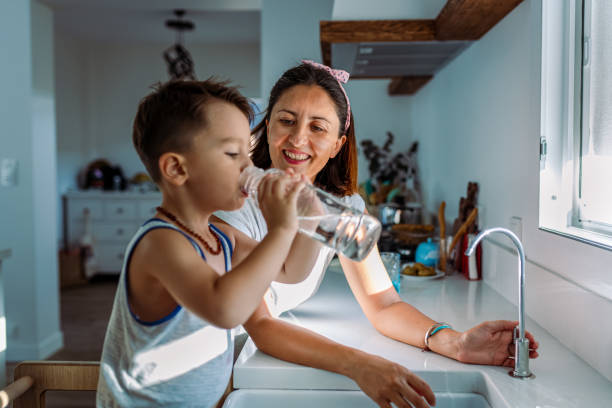
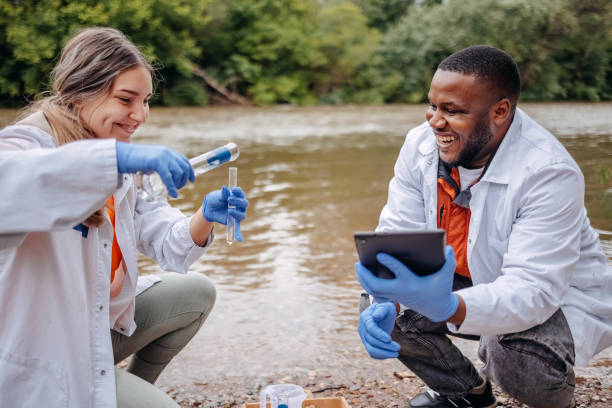
As the late August heat settles over the Grand Concourse and the rhythmic sounds of back-to-school shopping fill the hubs of Fordham Road, families across the Bronx are checking off their annual lists. Backpacks are being filled, new shoes are being fitted, and immunization records are being updated. However, in 2026, a new ritual has emerged among the borough’s most proactive parents. Beyond the standard supplies, a growing number of households are commissioning independent laboratory water audits to verify the safety of their kitchen taps before the first school bell rings.
This shift in behavior is a response to the aging infrastructure that defines much of the Bronx’s residential landscape. While New York City’s water is treated to the highest standards at the source, the “last mile” journey through century-old iron mains and into pre-war apartment buildings can introduce contaminants that no classroom lesson can fix. For many parents, the goal is simple: ensure that the water used for morning oatmeal, reusable sports bottles, and after-school hydration is free from the hidden risks of lead and copper. This movement is a testament to the rising power of public education in the community, as families move from passive consumption to data-driven advocacy.
The Summer Stagnation Effect
The timing of these tests is not accidental. During the summer months, many Bronx families travel to visit relatives or spend weekends away from the city. In large multi-family buildings, this leads to significant periods of water stagnation. When water sits motionless in lead-soldered copper pipes or old galvanized steel risers, it has more “contact time” with the metal. This thermal and chemical environment accelerates the leaching of heavy metals.
By the time the school year approaches, the water sitting in the building’s plumbing may have reached its highest concentration of contaminants for the entire year. Parents are realizing that the “first draw” of water in late August—the water that fills the first water bottle of the new semester—is the most critical to test. As noted in our faq, a standard “flush” is helpful, but only a lab test can verify if the summer stagnation has caused a persistent spike in lead or copper levels.
Why the Bronx? The Infrastructure Challenge
The Bronx contains a high density of housing built during the era when lead was the standard for plumbing. From the art deco apartments of the Grand Concourse to the tightly packed blocks of Highbridge and Mott Haven, the “bones” of the borough are historic. While this history is part of the Bronx’s charm, it also means that many buildings are served by lead service lines—the pipe that connects the building to the city’s water main.
While the city has made significant strides in policy regarding lead pipe replacement, the process is monumental and takes time. For a parent with a child entering kindergarten, waiting five years for a city-wide replacement program is not an option. This is why Bronx families are taking the initiative. They understand that their specific “premise plumbing”—the pipes inside their specific apartment and building—is a variable that only they can truly monitor.
The Health Risks: Protecting the Developing Brain
The primary motivator for these pre-school audits is the well-documented health risks associated with lead exposure. Pediatricians have long warned that there is no safe level of lead for a developing child. Lead is a potent neurotoxin that can interfere with the way a child’s brain forms connections, leading to lower IQ scores, shortened attention spans, and increased behavioral issues in the classroom.
In 2026, the conversation has expanded to include “emerging contaminants” and the secondary effects of aging pipes, such as elevated copper and iron. Copper, while a necessary mineral in trace amounts, can cause significant gastrointestinal distress and nausea in children when leached from new or corroding pipes in high concentrations. By catching these issues before the school year starts, parents can ensure their children are starting the term with a clean bill of health, avoiding the “brain fog” or stomach issues that can often be misdiagnosed as back-to-school jitters.
The Role of Independent Audits vs. Free City Kits
Many Bronx residents are familiar with the free lead test kits provided by the city. While these are a valuable resource, they have limitations. City kits are often designed to detect lead at the “action level” of 15 parts per billion (ppb). However, many health organizations and public education advocates argue that the goal should be as close to zero as possible.
Independent laboratory audits, like those being used by Bronx families this month, provide a much more granular look at the water. These tests look for a broader spectrum of contaminants and can detect lead at much lower levels (often down to 1 ppb). Furthermore, a professional audit includes an interpretation of the results that accounts for the building’s age and plumbing type. On our blog, we frequently highlight how these detailed reports empower parents to speak with their landlords or building boards with a level of authority that a simple “pass/fail” test does not provide.
Utility Work and the Construction Spike
Another reason for the surge in Bronx water testing is the sheer volume of utility work occurring across the borough. Whether it is a gas line replacement or a major street repaving, the heavy machinery used in these projects creates significant vibrations. These vibrations travel through the ground and can physically shock the old lead pipes connected to residential buildings.
This physical disturbance causes the protective mineral scale inside the pipes to flake off, releasing a “slug” of lead-rich sediment into the water supply. Families living near active construction zones in neighborhoods like Hunts Point or Jerome Avenue are particularly vigilant. They understand that the water quality they had last year may not be the water quality they have this year due to the changing environment of their block.
Practical Steps for Bronx Parents Before the First Bell
If you are a parent in the Bronx looking to secure your home’s water safety before the school year begins, there are several immediate actions you can take:
- The First-Draw Test: Ensure any water testing you perform is a “first-draw” sample, meaning the water has sat in the pipes for at least 6 to 8 hours. This captures the highest possible concentration of contaminants.
- Identify Your Pipes: Look under your kitchen sink or in the basement where the water line enters. Lead is a dull gray, soft metal that can be scratched with a key to reveal a shiny, silver color.
- Filter with Certification: If you use a filter, make sure it is specifically certified to NSF/ANSI Standard 53 for lead reduction. Many standard pitcher filters only improve taste and do not remove heavy metals.
- Flush the Lines: Every morning, run your cold water for 1 to 2 minutes before filling up school water bottles. This moves the stagnant water out of the pipes and brings in fresh water from the city main.
As noted in current policy updates, these behavioral changes are the first line of defense, but they are most effective when guided by laboratory data.
The Economic and Social Impact of Water Safety
The move toward independent testing also reflects a broader economic reality in the Bronx. Parents view the cost of a water audit as an investment in their child’s future. The long-term costs of lead exposure—special education, medical treatments, and lost potential—far outweigh the price of a lab report.
Moreover, this movement is fostering a sense of community. On local Facebook groups and at neighborhood meetings, parents are sharing their lab results and comparing notes. This collective public education is putting pressure on the owners of large apartment complexes to modernize their plumbing systems. Transparency is the new standard, and Bronx families are the ones demanding it.
Conclusion: Data as the Ultimate Back-to-School Supply
The “back-to-school” season in the Bronx has always been a time of renewal and preparation. In 2026, that preparation includes the invisible resources that flow through the heart of the home. By using laboratory tests to verify their tap water, Bronx families are ensuring that their children are protected from the structural risks of the city’s past.
The most effective next step for any Bronx parent who wants to join this movement is to move from suspicion to certainty. If you have concerns about the health risks in your specific neighborhood or want to learn more about the faq of water testing, the best path forward is to contact a specialist today to schedule a professional audit. Don’t let your child start the school year with a hidden disadvantage; get the data you need to ensure their water is as safe as it is essential.