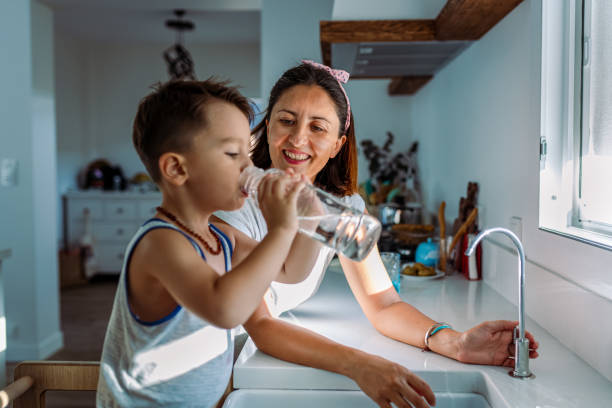
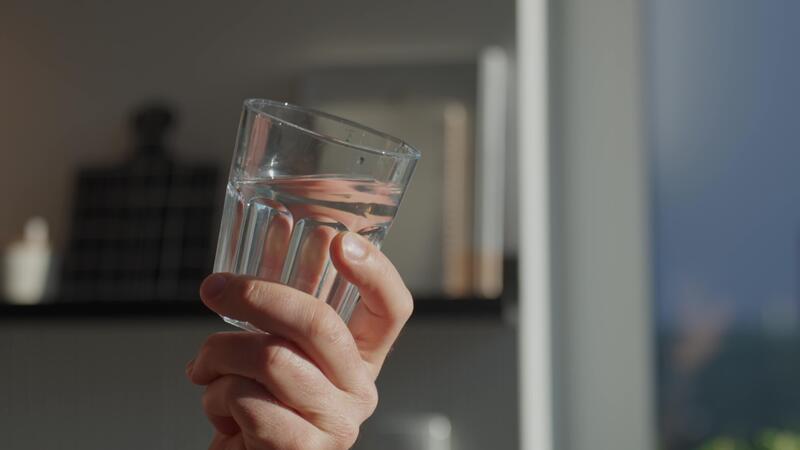
For most parents, the sensory test is the first and only line of defense when it comes to tap water. We pour a glass, hold it up to the light, and look for cloudiness or sediment. We take a quick sniff to ensure there is no “rotten egg” sulfur smell or a harsh chemical aroma. If it looks like gin and smells like nothing, we assume it is pure. However, in the world of modern water chemistry and aging infrastructure, this visual “clear water” standard is a dangerous myth.
The most hazardous contaminants in our drinking water—particularly those that affect the developing brains and bodies of children—are colorless, odorless, and tasteless. You cannot “see” lead. You cannot “smell” nitrates. You cannot “taste” PFAS. By the time water quality issues become visible to the naked eye, the system has usually reached a point of catastrophic failure. For families, moving beyond the sensory test to a data-driven approach is the only way to ensure true safety in the kitchen and the nursery.
The Biological Vulnerability of the Child
The reason the “clear water” myth is so dangerous for children is rooted in their unique physiology. Children drink more water per pound of body weight than adults do. Their metabolic rate is higher, and their internal organs are still in a state of rapid development. If a contaminant is present in the water at a low concentration, an adult’s body might be able to process and excrete it with minimal impact. A child, however, receives a much higher “dose” relative to their size.
Furthermore, a child’s blood-brain barrier is more permeable than an adult’s. This means that neurotoxins like lead can slip into the central nervous system much more easily, interfering with the delicate process of neural pruning and synapse formation. When we discuss the health risks of early exposure, we are looking at permanent shifts in cognitive potential that occur long before a child ever experiences a physical symptom.
Lead: The Invisible Threat in Older Pipes
Lead is the most notorious “invisible” contaminant. It does not change the color of the water, and it does not leave a metallic taste unless the concentrations are extremely high. In many older urban and suburban homes, lead enters the water through the “last mile” of plumbing—the service lines under the yard or the lead solder used to join copper pipes inside the walls.
Even if your local water utility sends out a report stating the water leaving the treatment plant is lead-free, that water can pick up lead as it sits in your home’s pipes overnight. This is why “clear” water can be highly contaminated. A child who drinks a glass of clear water from a stagnant pipe in the morning may be ingesting lead levels that far exceed federal safety guidelines. This is a primary focus of our public education efforts: teaching parents that the plumbing behind the drywall is just as important as the water in the street.
Nitrates and the “Blue Baby” Risk
In rural and semi-rural areas, nitrates are a major concern for infants, particularly those who are formula-fed. Nitrates often enter the water supply through fertilizer runoff or failing septic systems. Like lead, nitrates are completely invisible and tasteless.
When an infant ingests high levels of nitrates, it can lead to methemoglobinemia, commonly known as “Blue Baby Syndrome.” This condition prevents the blood from carrying sufficient oxygen to the brain and vital organs. A parent might be using perfectly clear well water to mix a baby’s bottle, unaware that the nitrate levels are high enough to cause a medical emergency. This is a critical local issue for families in agricultural regions, where annual well testing should be as routine as a pediatric checkup.
The Rise of “Forever Chemicals” (PFAS)
In recent years, the conversation around water safety has shifted toward PFAS (per- and polyfluoroalkyl substances). These man-made chemicals have been used in everything from non-stick cookware to firefighting foam. They are known as “forever chemicals” because they do not break down in the environment or the human body.
PFAS are colorless and odorless, making them impossible to detect without sophisticated laboratory equipment. Recent studies have linked PFAS exposure in early childhood to immune system suppression, making vaccines less effective and increasing the frequency of common childhood illnesses. Because these chemicals are so persistent, even “clear” water can carry a lifetime’s worth of accumulated risk. National and local policy is currently racing to catch up with the science of PFAS, but for now, the burden of testing often falls on the homeowner.
The False Security of “City Water”
Many families feel a sense of security because they are on a municipal water system that is regularly tested. While it is true that public utilities must meet EPA standards, those tests are often conducted at the source or at specific sampling points throughout the city. They do not account for what happens inside your specific home.
If your home has a “dead leg” in the plumbing—a pipe that leads to a capped-off fixture—water can sit there for weeks, allowing bacteria to grow and metals to leach. When you turn on a nearby faucet, that contaminated water can be drawn into your glass. Even if the city water is perfect, your home’s “premise plumbing” can turn clear water into a health hazard. We frequently address these infrastructure nuances in our faq section, helping parents understand that they are the “manager” of their own home’s water quality.
The Role of Bacteria and Biofilms
Microbial growth is another invisible threat. While we often associate bacteria with “cloudy” or “slimy” water, many pathogens can exist in clear water. Biofilms—slimy colonies of bacteria—attach themselves to the inside of pipes and faucet aerators. These biofilms can harbor Legionella or Pseudomonas, which can be aerosolized during a bath or shower.
For children with asthma or compromised immune systems, breathing in the mist from a seemingly “clean” shower can lead to respiratory issues. Regularly cleaning faucet aerators and maintaining a proper water heater temperature (usually 120°F to 140°F) are simple steps parents can take, but they start with the realization that “clear” does not mean “sterile.”
The Importance of Professional Lab Testing
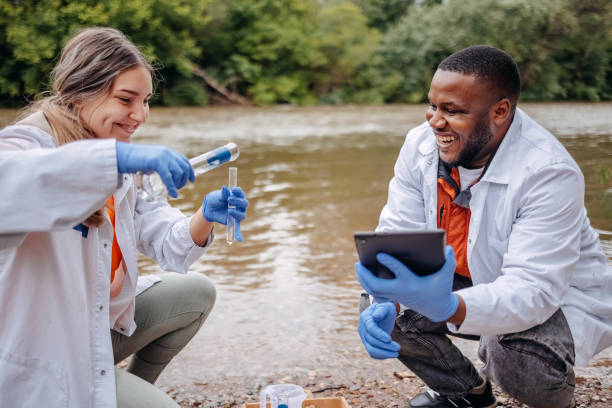
If you cannot see, smell, or taste the most dangerous contaminants, how do you protect your family? The only answer is professional laboratory testing. A “DIY” kit from a hardware store can provide some basic information, but they are often insensitive to the low levels of lead or PFAS that can still impact a child’s health.
A professional lab test provides a “chemical fingerprint” of your home’s water. It allows you to see the invisible. We encourage parents to check our blog for updates on the latest testing technologies and what specific parameters they should be looking for based on the age of their home and their geographic location.
Choosing the Right Filtration
Once you have your test results, you can choose a filter that actually works for your specific needs. Many parents buy a pitcher filter assuming it removes “everything,” but most standard pitchers only remove chlorine (the taste and smell issue). They may leave the lead, arsenic, and PFAS behind.
By testing first, you can ensure that your filtration system is certified by the NSF (National Sanitation Foundation) to remove the specific contaminants found in your home. This targeted approach saves money and ensures that the “clear” water coming out of your filter is actually “safe” water for your children.
Conclusion: A New Standard for Home Safety
The days of relying on a “visual check” for water safety are over. As parents, we have a responsibility to look deeper. The health of our children is built on the foundation of the resources they consume every day, and water is the most fundamental of all.
Moving from “clear” to “safe” requires a shift in mindset. it requires acknowledging that the most significant threats are the ones we cannot see. By embracing testing, understanding our home’s plumbing, and advocating for transparent water data, we can ensure that every glass of water we pour for our children is as pure as it looks.
If you are ready to move beyond the sensory test and get a definitive answer about your home’s water safety, we are here to help. Please visit our contact page to connect with experts who can guide you through the testing process and help you interpret the results for your family’s specific needs.