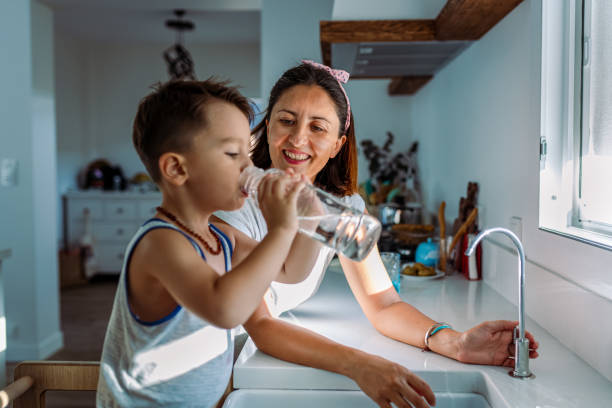
In the modern landscape of parenting, the definition of “health” is expanding. It is no longer just about ensuring children eat their vegetables, get enough sleep, or wear helmets while riding bikes. Today’s parents are increasingly focused on the environmental foundations of their homes, looking beyond the surface to the invisible factors that influence long-term development. One of the most significant shifts in this movement is the realization that the kitchen faucet is not just a utility, but a primary source of pediatric health.
As we navigate a world where information about infrastructure and environmental science is more accessible than ever, parents are taking the lead in creating a “water-first” wellness culture. They are moving away from passive consumption and toward a proactive, data-driven routine. By understanding that water safety is a local issue that exists at every individual tap, families are building a safety net that protects their children from the ground up.
The Shift from External Trust to Internal Verification
For previous generations, the safety of tap water was rarely questioned. The assumption was that if the water was clear and the city was managing the supply, it was safe for the whole family. However, recent public health headlines and a deeper understanding of “premise plumbing” have changed that narrative. Parents now realize that while municipal water treatment plants do a heroic job of cleaning water at the source, the “last mile”—the pipes leading from the street into the home—is where the greatest risks often hide.
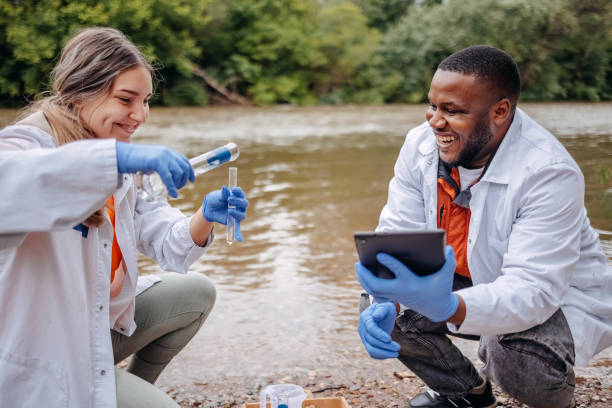
This shift has led to a surge in home testing. Parents are no longer satisfied with broad, city-wide reports; they want to know exactly what is happening in their own pipes. This move toward verification is a cornerstone of the public education we provide. It empowers parents to see the invisible—detecting trace metals like lead or copper that may be leaching from older solder or brass fixtures—before those metals ever reach a child’s glass.
Water as a Pediatric Priority
The reason parents are so focused on the faucet is simple biology. Children drink more water per pound of body weight than adults, and their bodies are essentially “sponges” for what is in that water. A child’s developing brain and nervous system are particularly sensitive to heavy metals. Lead, for example, is a neurotoxin with no safe level of exposure; it can interfere with cognitive development, attention span, and behavioral regulation.
By establishing a safer water routine, parents are treating the faucet with the same level of care as the nutrition facts on a food label. They are acknowledging the health risks associated with aging infrastructure and making the choice to intervene at the point of consumption. Whether it’s installing a certified filter or implementing a morning flushing routine, these actions are becoming as standard in the modern home as checking the batteries in a smoke detector.
Building the “Morning Flush” Habit
One of the most effective habits parents are adopting is the “morning flush.” In the stillness of the night, water sits stagnant in the pipes for six to eight hours. This stagnation allows for maximum contact time between the water and the plumbing materials, which can lead to a “spike” in lead or copper levels in the first glass of the day.
Parents are teaching their children that the first person to the kitchen in the morning shouldn’t just grab a glass and drink. Instead, they run the cold water for one to two minutes. They use this “flush water” for non-consumable tasks like watering plants or filling a pet’s bowl. Once the water feels noticeably colder—a sign that fresh water has arrived from the city main—it is ready for the breakfast table. This simple, no-cost habit is a frequent topic on our blog, where we highlight how behavioral changes can dramatically lower exposure risks.
The “Cold Water Only” Rule
Another habit gaining traction in health-conscious households is the “Cold Water Only” rule for consumption. Many parents used to use the hot water tap to fill pots for pasta or to quickly warm up a bottle. However, the science is clear: hot water is more corrosive and leaches metals from pipes and the water heater much faster than cold water.
Furthermore, hot water tanks are often collection points for mineral scale and sediment. By making it a household rule to only use the cold tap for drinking and cooking, parents are bypassing this potential source of contamination. If they need hot water, they start with cold and heat it on the stove. It is a small change in routine that offers a massive increase in safety, particularly for infants who rely on formula.
Navigating the Complexities of Filtration
As parents seek to build these habits, they often turn to filtration as a primary tool. However, the modern parent is becoming a “smart shopper” when it comes to water filters. They are learning that a filter that makes water taste better by removing chlorine isn’t necessarily a filter that removes lead or PFAS.
Parents are increasingly looking for NSF/ANSI certifications, such as Standard 53 for lead reduction. They are also realizing that a filter is only as good as its maintenance. Part of the new household routine includes a scheduled, non-negotiable date for changing filter cartridges. A neglected filter can become a source of bacterial growth or begin “dumping” trapped contaminants back into the water. In our faq section, we help parents navigate these technical details so they can choose the right tool for their specific home environment.
Advocating for Policy Changes
The “habit of the faucet” isn’t staying within the four walls of the home. Parents are becoming vocal advocates for broader infrastructure changes. They are attending school board meetings to demand testing of classroom sinks and water fountains. They are asking their local representatives about the city’s policy on lead service line replacements.
This “parent-powered” advocacy is driving a national conversation about water equity. Parents understand that every child, regardless of their zip code, deserves access to water that supports their growth rather than hindering it. By taking control of their own taps, they are gaining the knowledge needed to demand better for their entire community.
The Power of Annual Testing
Perhaps the most impactful habit being built is the annual water test. Just as families schedule annual physicals and dental checkups, they are now scheduling a “checkup” for their tap water. Because home plumbing is dynamic—impacted by seasonal temperature shifts, water main repairs, and the natural aging of fixtures—a test taken five years ago is no longer a reliable indicator of today’s safety.
A yearly test provides peace of mind that no other safety measure can. It allows parents to see if their filtration system is working correctly and if any new issues have emerged in their pipes. For many, this data is the “gold standard” of home safety, providing a clear, scientific baseline for their family’s health. For those unsure of where to start, our contact page offers resources to find certified laboratories and interpret complex results.
Teaching the Next Generation
Finally, parents are passing these habits down to their children. By explaining why we flush the tap or why we use cold water for cooking, they are raising a generation of water-conscious citizens. These children will grow up understanding that water is a precious resource that requires vigilance and stewardship.
They are learning that “clean” isn’t just a visual quality; it’s a chemical reality. They are seeing their parents value science and data in the home, a lesson that extends far beyond the kitchen sink. These habits are the building blocks of a healthier future, ensuring that as these children become the homeowners of tomorrow, they will have the tools to protect their own families.
Conclusion: A Healthier Future, One Drop at a Time
The movement toward faucet-based health habits is a testament to the power of informed parenting. It is a recognition that the most essential resource in our homes deserves our most careful attention. By moving beyond the surface and addressing the invisible chemistry of our water, parents are creating a legacy of wellness that will pay dividends for decades to come.
Water safety is an ongoing journey, not a destination. But with the right habits, the right data, and a commitment to verification, every parent can turn their kitchen faucet into a source of strength and security.