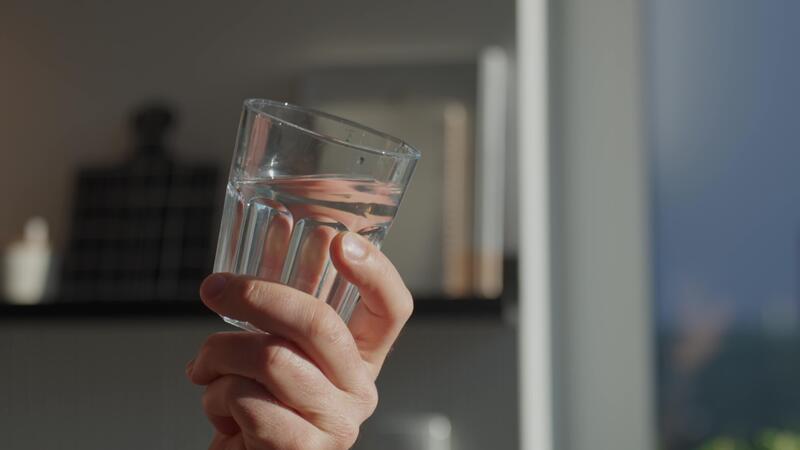
We spend hundreds of dollars a year on high-end moisturizers, hydrating serums, and hypoallergenic soaps to achieve soft, healthy skin. Yet, for many, the cycle of seasonal dryness, “tight” skin after a shower, and inexplicable itchy patches continues unabated. When topical treatments fail, we often blame the weather, our diet, or genetics. However, there is a constant environmental factor we interact with multiple times a day that is frequently overlooked: the chemical and mineral composition of our tap water.
The water flowing through your showerhead is far from a neutral substance. It is a complex solution of dissolved minerals, disinfectants, and pH-adjusting agents. While municipal water is treated to be safe for consumption, the very “safety” measures and natural geological signatures that define our water can be remarkably aggressive toward the human skin barrier. Understanding the science of how water chemistry interacts with our biology is the first step in moving from reactive moisturizing to proactive skin health.
The Hard Water Attack: Calcium and Magnesium
The most common culprit in water-related skin dryness is “hardness.” Hard water contains high concentrations of dissolved calcium and magnesium ions. When you lather up with soap in hard water, a chemical reaction occurs. Instead of a clean rinse, these minerals react with the fatty acids in your soap to create “soap scum”—a tacky, insoluble curd that clings to the skin.
This film acts as a barrier, but not a helpful one. It clogs pores and traps bacteria and stale oils against the skin. More importantly, the mineral deposits left behind by hard water act as a desiccant, physically pulling moisture out of the upper layers of the epidermis. If you feel a “squeaky” sensation or a distinct tightness immediately after drying off, you aren’t feeling “clean”; you are feeling the physical stress of mineral deposition on your skin. Over time, this chronic dehydration can lead to a breakdown in the skin’s natural lipid barrier, making it more susceptible to inflammatory conditions like eczema and dermatitis.
Chlorine: The Necessary Disinfectant with a Hidden Cost
To ensure that water is free from pathogens as it travels through miles of urban infrastructure, utilities add chlorine or chloramines. While this is a triumph of public health, chlorine is a powerful oxidant. Its job is to neutralize organic matter, and unfortunately, your skin is composed of organic matter.
Chlorine strips the skin of its natural sebum—the protective oils that seal in moisture and maintain a healthy acidic environment. For those with sensitive skin or a compromised barrier, the daily “chlorine bath” can lead to chronic redness and irritation. This is a significant part of the health risks often discussed in environmental wellness circles; while the levels are safe to drink, the cumulative effect of topical exposure can vary wildly from person to person. If your skin feels particularly itchy after a long soak or a hot shower, the residual disinfectant in your local water supply may be the primary trigger.
pH Imbalance and the Acid Mantle
Healthy human skin is slightly acidic, typically maintaining a pH between $4.7$ and $5.7$. This “acid mantle” is crucial for keeping the skin’s microbiome in balance and preventing the growth of harmful bacteria. Tap water, however, is often chemically adjusted by municipalities to be slightly alkaline (often between $7.5$ and $8.5$) to prevent the corrosion of lead and copper pipes.
Every time you wash your face with alkaline tap water, you temporarily spike the pH of your skin. A healthy body can recalibrate this fairly quickly, but for children, the elderly, or those with existing skin conditions, this constant pH “yo-yoing” prevents the skin from maintaining its protective seal. This imbalance is why many people find relief only when they switch to “pH-balanced” cleansers or install a shower filter that neutralizes these shifts.
The Heavy Metal Connection: Lead and Copper
While minerals and chlorine affect the surface of the skin, heavy metals introduced by aging “premise plumbing” can cause deeper issues. In older homes, water sitting in pipes can absorb trace amounts of lead or copper. While the primary concern with these metals is ingestion, topical exposure can contribute to “oxidative stress” on the skin.
Heavy metals can act as catalysts for the production of free radicals, which break down collagen and elastin. For some, high copper levels in water can even lead to a faint greenish tint in blonde hair or localized skin irritation. We frequently update our blog with the latest findings on how legacy infrastructure impacts more than just what we drink; it affects the very environment we bathe in. If you live in an older neighborhood, the “water age” in your pipes may be contributing to a higher metallic load than you realize.
Why a “Passing” Water Report Isn’t a Skin Report
Municipal water reports are designed to ensure compliance with federal policy regarding potability. They are not beauty or dermatological assessments. A city can be in total compliance with the EPA while still delivering water that is “hard” enough to exacerbate psoriasis or “chlorinated” enough to cause dry, brittle hair.
Furthermore, water quality can fluctuate significantly by season or even by street. In the winter, some utilities increase disinfectant loads to combat the effects of runoff, which often coincides with the time of year when the air is already at its driest. This “double hit” of dry air and aggressive water chemistry is why so many people experience a “winter itch” that no amount of lotion seems to solve.
Testing and Troubleshooting at Home
If you suspect your water is the culprit behind your skin woes, you don’t have to guess. Many of the most common questions we receive in our faq section revolve around how to distinguish between a “skin issue” and a “water issue.”
The first step is a basic mineral and chlorine test. You can often see the signs yourself: Does your kettle have white scale buildup? Do you see white spots on your glass shower doors? These are clear indicators of hard water. For a more comprehensive look at the disinfectants and metals in your home, a professional lab test is the only way to get a definitive “chemical fingerprint” of your tap.
Strategies for Protecting Your Skin
You cannot easily change the water coming from the city, but you can change the water at the point of contact.
Shower Filtration: High-quality KDF (Kinetic Degradation Fluxion) filters can significantly reduce chlorine and some heavy metals before they hit your skin.
Water Softening: If hardness is the issue, a salt-based or salt-free softener can prevent the formation of “soap scum” and allow your skin’s natural oils to remain intact.
Temperature Control: Hot water opens pores and increases the rate of chemical absorption. Washing your face with lukewarm or cool water can mitigate the drying effects of chlorine and minerals.
Acidic Rinses: Some people find relief by using a very dilute apple cider vinegar rinse after washing, which helps manually reset the skin’s pH.
The Importance of Professional Guidance
Navigating the world of water filtration can be overwhelming. Some filters remove lead but not chlorine; others soften water but don’t address pH. If you are struggling with persistent skin issues and suspect your water is to blame, reaching out for technical guidance is essential.
Our team specializes in helping individuals understand the interaction between their home’s infrastructure and their personal health. Whether you are a renter in an old apartment or a homeowner with a private well, the data from a water test can be the missing piece of your skincare routine. We invite you to reach out through our contact page to learn more about how to test your water for skin-specific irritants.
Conclusion: The Foundation of Beauty is Purity
We often treat our skin as if it exists in a vacuum, but it is constantly interacting with the world around it. The water you use every morning is the literal foundation of your skincare health. By acknowledging that clear water isn’t always “neutral” water, you can stop fighting your skin and start supporting its natural defenses.
Taking control of your water chemistry isn’t just about plumbing; it’s about dermatology. When you remove the irritants, you allow your skin to do what it does best: protect, heal, and glow. It’s time to look past the bottle of lotion and look into the pipes.