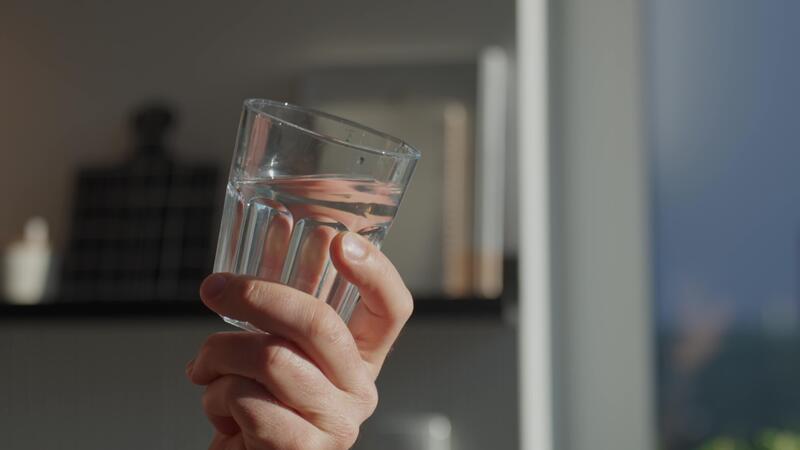
For many of us, the morning ritual is sacred. Before the chaos of the day begins, we head to the kitchen, turn on the cold-water tap, and fill a glass or a kettle. The water looks crisp, clear, and refreshing. It is the literal lifeblood of the household, used for the first coffee of the day, a child’s breakfast, or the filling of school water bottles. Because we live in a developed nation with rigorous municipal standards, we drink it with total confidence. We assume that the clarity of the liquid is a direct reflection of its purity.
However, if that water has been sitting in your pipes for the six to eight hours you were asleep, the “first pour” of the morning is the most complex chemical solution you will consume all day. While the water leaving the treatment plant miles away might be pristine, the water entering your glass has spent the night interacting with your home’s “premise plumbing.” In the stillness of the night, a process occurs that can turn a seemingly clean resource into a cocktail of trace metals and chemical byproducts. Understanding what is happening behind your walls while you sleep is the first step in moving from passive consumption to informed water safety.
The Chemistry of Stagnation
The primary factor that dictates the quality of your morning glass of water is “contact time.” Water is the ultimate solvent; its molecular structure allows it to slowly dissolve and absorb the materials it touches. When you are using water throughout the day, it moves quickly through your pipes, leaving little time for this absorption to occur. But at night, the flow stops.
During these hours of stagnation, the water “cooks” in your pipes. If those pipes are made of copper with lead-based solder, or if your home is served by an older lead service line, the water begins to pull metal ions from the pipe walls. This isn’t a sign of “dirty” water in the traditional sense; it is a matter of simple chemistry. By the time you wake up, that first glass of water contains the highest concentration of leached metals of any glass you will pour all day. This is a core pillar of our public education efforts: teaching families that the “age” of the water in their pipes is just as important as its source.
Lead: The Invisible Morning Guest
Lead is perhaps the most concerning component of the “first-draw” glass. Unlike iron, which turns water brown and gives it a metallic tang, lead is completely tasteless, odorless, and colorless. You could be drinking water with lead levels far exceeding federal safety limits and never know it based on your senses alone.
In many older homes, lead enters the morning glass through the solder used to join copper pipes (common until 1986) or from older brass faucets that were once allowed to contain up to 8% lead. Even in newer homes, “lead-free” brass can still contain trace amounts. Because lead is a potent neurotoxin, even low-level exposure over time can lead to significant health risks, particularly for children whose brains are still forming. When you pour that first glass in the morning, you are potentially delivering a concentrated dose of this invisible metal to your family.
Copper and the Bitter Edge
If you have ever noticed a slightly sharp or bitter taste in your first glass of water, you are likely tasting copper. While copper is an essential mineral, excessive amounts leached from your home’s plumbing can cause acute gastrointestinal issues like nausea and stomach cramps.
Copper leaching is often driven by the pH of your local water supply. If the water is slightly acidic or “soft,” it acts like a mild acid, scouring the interior of your copper pipes overnight. While a blue-green stain in your sink is a late-stage sign of copper issues, the “bitter morning glass” is often the first warning sign. On our blog, we frequently discuss how these mineral interactions can vary street-by-street, even within the same municipal system.
Disinfection Byproducts and the “Pool” Smell
While metals are leaching into the water from your pipes, the chemicals used by the city to keep the water safe are also changing. Most utilities use chlorine or chloramines to kill bacteria. During the night, as the water sits in your pipes, this residual disinfectant can react with organic matter—like the thin layer of “biofilm” that naturally lives inside all plumbing—to create disinfection byproducts (DBPs).
If you turn on your tap in the morning and notice a strong “swimming pool” odor, you aren’t necessarily smelling “extra” chlorine. You are likely smelling the byproducts of that chlorine working to neutralize materials inside your pipes. These byproducts can be respiratory irritants and are a frequent topic of concern for wellness experts. This is why our faq section emphasizes that a lack of smell is often a better sign of balance than a strong chemical aroma.
The Sediment Surge
It’s not just dissolved chemicals in your morning glass; there may be physical particulates as well. Over time, mineral scale and tiny flakes of rust accumulate at the bottom of your water heater and in the horizontal runs of your plumbing. When you turn on the tap for that first high-pressure flow of the morning, the sudden surge of water can “stir up” this sediment.
These particles can get trapped in your faucet aerator, where they continue to dissolve and contribute to the metal load of every subsequent glass of water. A clean house doesn’t guarantee clean pipes, and the “purity” of your morning water is often compromised by the very infrastructure meant to deliver it.
Policy vs. Reality: Why Your Report Might Not Tell the Whole Story
Many families rely on the annual water quality report issued by their city to feel safe. While these reports are important, they are governed by federal policy that focuses on the “system,” not the “tap.” The city tests the water at the treatment plant or at specific high-risk homes, but they do not test your morning glass.
The current Lead and Copper Rule is designed to monitor if the city’s corrosion control is working on a broad scale. It is not a guarantee that the lead solder in your 1970s ranch home or the lead service line under your lawn isn’t contributing to a spike in your morning water. The only way to know what is actually in your glass is to move beyond the city-wide data and conduct a laboratory test of your own home’s “first-draw” water.
Taking Control: The Morning Routine for Safer Water
The good news is that once you understand the “chemistry of the morning glass,” you can take simple, effective steps to mitigate the risks.
The 2-Minute Flush: Before using water for drinking or cooking in the morning, run the cold water for at least two minutes. You will feel the water turn noticeably colder as the stagnant water from your home’s pipes is replaced by fresh water from the city main. Use this “flush water” for watering plants or cleaning so it isn’t wasted. Cold Water Only: Never use the hot water tap for consumption. Hot water is more corrosive and carries a higher load of metals and sediment from the water heater. Always start with cold water and heat it on the stove if needed. Aerator Maintenance: Once a month, unscrew the small screens at the end of your faucets and rinse out any trapped sediment. Targeted Filtration: If your test results show persistent issues, invest in a filter that is specifically certified to remove the contaminants found in your home.
The Importance of Verification
You cannot manage what you do not measure. If you have questions about the quality of your morning water, or if you live in a home built before the mid-1980s, professional testing is the only way to gain true peace of mind. A laboratory report takes the guesswork out of your morning routine and allows you to protect your family with facts rather than assumptions.
We invite you to reach out through our contact page if you need help choosing a testing package or interpreting your results. Our goal is to ensure that the most important glass of water you drink each day is as pure as you deserve it to be.
Conclusion: Starting the Day with Certainty
Your morning glass of water should be a source of hydration and health, not a chemical mystery. By acknowledging the reality of pipe stagnation and taking the simple steps to flush and test your system, you are taking control of your family’s environmental safety. The “purity” of your home starts at the tap, and a little bit of knowledge goes a long way in ensuring that what’s flowing into your glass is nothing but the best.