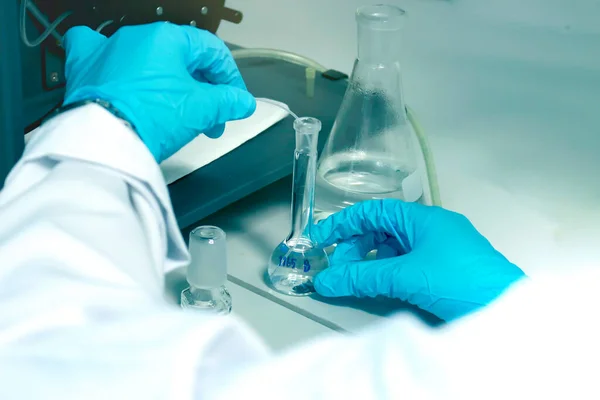
Queens is home to a diverse mix of pre-war apartments, single-family houses, co-ops, and newly renovated properties. Despite modern plumbing upgrades, copper pipes, fittings, and fixtures can corrode and release elevated levels of copper into tap water. Copper testing for drinking water in Queens can identify contamination and help residents or property managers determine whether the building’s plumbing requires attention.
For homeowners and renters alike, the discovery of lead can be a jarring contradiction to the “luxury” status many of these properties now hold. The reality is that while the city’s water supply is essentially lead-free when it leaves the upstate reservoirs, the journey through the “last mile” of local infrastructure is where the safety of the tap is often compromised. Understanding why these historic homes remain at risk requires a deep dive into the public education of urban plumbing and the physical legacy of New York’s development.
The Historical Blueprint: Why Lead Was the Standard
To understand why lead persists, one must look at when these homes were built. The majority of Brooklyn’s brownstones were constructed between the mid-1800s and the early 1900s. At that time, lead was the preferred material for small-diameter water pipes—known as service lines—that connect the massive city water main in the street to the individual building’s plumbing.
Lead was favored by Victorian-era engineers because it was durable, easy to bend around existing underground obstacles, and resistant to leaks. In fact, New York City plumbing codes actually mandated the use of lead for these connections well into the 20th century. It wasn’t until 1961 that the city officially banned the installation of new lead service lines. Because brownstones are, by definition, pre-war structures, they are statistically the most likely buildings in the borough to still be served by these original pipes.
The “Last Mile” Problem: Beyond the Property Line
A common frustration for Brooklyn residents occurs during a renovation. A homeowner might spend thousands of dollars replacing every inch of interior piping with modern copper or PEX, only to have a post-renovation tap test come back positive for lead. This is the “last mile” paradox.
The service line usually runs from the middle of the street, under the sidewalk, and through the foundation wall. Even if the pipes inside the house are new, the water must first sit in or pass through several feet of lead pipe outside the house. According to policy updates regarding infrastructure responsibility, the portion of the pipe from the property line to the house is often the owner’s responsibility, while the portion in the street belongs to the city. This split ownership often delays full replacement, leaving the “toxic straw” in place for decades.
The Chemistry of Corrosion: Why Old Pipes “Leak” Lead
Lead does not usually leach into water in a constant stream. Instead, it is a chemical process driven by the stability of the water. Over many years, a protective layer of mineral scale—often appearing as a white or grayish coating—builds up on the inside of lead pipes. This scale acts as a barrier between the water and the metal.
However, several factors can disrupt this barrier. Changes in water temperature, shifts in the city’s water chemistry, or even physical vibrations from nearby subway lines or street construction can cause this scale to crack or flake off. When this happens, lead particles are released directly into the water stream. This is why a brownstone might pass a water test one year and fail it the next; the risk is dynamic, not static. Frequent blog updates on local water quality often highlight how localized construction on a single block can spike lead levels for every house on that street.
The Galvanic Ticking Time Bomb
Another reason Brooklyn brownstones are still being flagged is a phenomenon known as galvanic corrosion. This occurs when two different metals, such as an old lead service line and a new copper interior pipe, are joined together.
In the presence of water, these two metals create a tiny electrical circuit. The chemical reaction causes the lead to corrode much faster than it would on its own. Many “partial” plumbing upgrades in Brooklyn have inadvertently accelerated lead leaching by creating these galvanic connections. Unless a specialized “dielectric union” or a full replacement is performed, the new copper pipes can actually pull more lead into the drinking water than the old galvanized pipes they replaced.
Health Risks: The Silent Impact on Brooklyn Families
The presence of lead is particularly concerning because it is a potent neurotoxin with no safe level of exposure. The health risks associated with lead are most severe for pregnant women and young children. Lead accumulates in the body over time, storing itself in the bones and teeth.
In children, even low-level exposure is linked to central nervous system damage, learning disabilities, shorter stature, and impaired hearing. Because lead is colorless, tasteless, and odorless, many Brooklyn families are exposed for years without ever realizing it. The “flagging” of a property often comes too late—after a child’s routine blood test shows elevated levels, or after a proactive neighbor shares a failed lab report.
The Role of Stagnation in Historic Plumbing
Brooklyn’s modern lifestyle also plays a role in why lead levels remain high. In many brownstones, especially those converted into multi-family apartments, water can sit stagnant in the pipes for long periods. During the workday or overnight, the water has hours of contact time with lead-bearing materials.
The “first draw” of water in the morning is almost always the most contaminated. For a resident living on the top floor of a four-story walk-up, the water has had to travel through a long vertical column of potentially lead-soldered joints and old risers. As noted in the faq section of many safety organizations, “flushing” the tap for 30 seconds is often insufficient in a large historic building to reach the fresh water from the city main.
Navigating the 2026 Regulatory Landscape
As we move through 2026, New York City is under increasing pressure to accelerate the Lead Pipe Replacement Act. There are more grants and low-interest loans available now than ever before for Brooklyn homeowners to replace their service lines. However, the process is complicated by Brooklyn’s status as a landmark-heavy borough.
Replacing a service line often requires digging up the sidewalk or the “areaway” (the small sunken courtyard in front of many brownstones). In landmarked districts, this work requires specific permits to ensure the historic bluestone or wrought-iron fencing is not damaged. These hurdles, while necessary for preservation, often mean that the contact between a homeowner and a qualified contractor is just the beginning of a long administrative process.
Practical Steps for Brownstone Residents
If you live in a Brooklyn brownstone, you should not assume your water is safe based on the building’s appearance. There are several immediate actions you can take:
- Get a Professional Lab Test: Do not rely on “do-it-yourself” strips. A certified laboratory test can detect lead at the parts-per-billion level.
- Identify Your Service Line: Look at the pipe where it enters your basement. Lead is a dull gray color, is very soft, and can be easily scratched with a key to reveal a shiny, silver surface.
- Use Certified Filtration: If you cannot replace the pipes immediately, use a filter certified to NSF/ANSI Standard 53 for lead reduction.
- Aggressive Flushing: Run the cold water for at least 3 to 5 minutes if it hasn’t been used for several hours, especially if you know you have a lead service line.
Conclusion: Taking Ownership of Water Safety
The persistence of lead in Brooklyn brownstones is a reminder that we are still living with the infrastructure decisions of the 19th century. While these buildings are masterpieces of architecture, they are also functional systems that require 21st-century vigilance. We must move beyond the “aesthetic” renovation and prioritize the invisible systems that sustain our health.
The most effective next step for any Brooklyn resident is to move from assumption to data. If you have questions about the health risks in your specific neighborhood or want to learn more about the public education programs available to homeowners, the best path forward is to contact a specialist today. Don’t let a historic legacy compromise your family’s future; verify your water quality and take control of your home’s environmental safety.