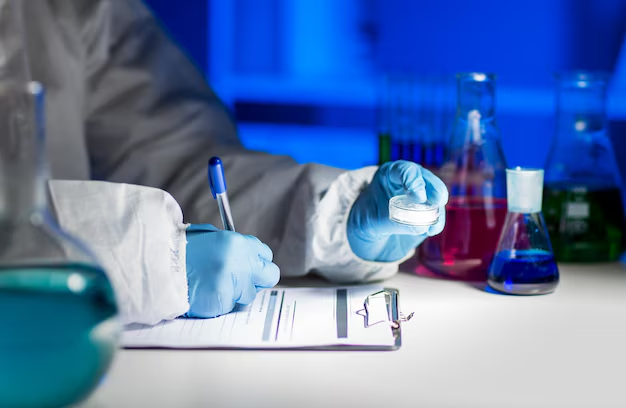
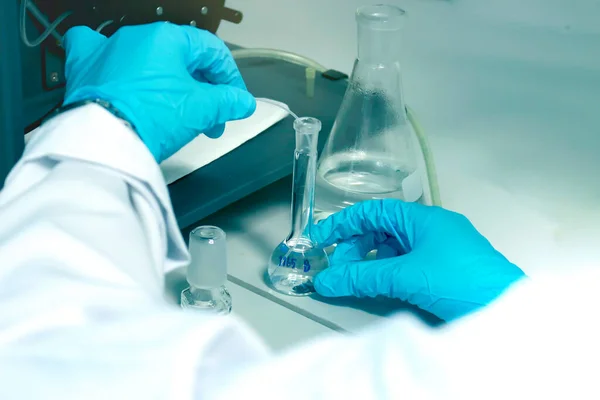
We often treat tap water as an invisible utility, a background service that works perfectly every day without requiring a second thought. Yet water is a fundamental building block of our health, used to hydrate our bodies, nourish our children, and prepare family meals. Because it is so deeply connected to daily life, working with Queens certified water testing specialists can help protect your water quality and support your family’s long-term well-being.
Protecting your family’s health starts with understanding that water safety is not a “set it and forget it” aspect of homeownership. It requires vigilance, a bit of education, and the willingness to look beyond the faucet.
The Fundamental Link Between Water and Wellness
Water supports nearly every physiological process, including regulating body temperature, lubricating joints, transporting nutrients, and removing waste. When contaminated by chemical pollutants, heavy metals, or pathogens, it can become a source of physiological stress rather than nourishment. Professional heavy metals water testing in Manhattan helps identify potential contaminants and provides the information needed to protect your health.
For developing infants and children, the stakes are even higher. Their bodies are smaller, their metabolisms are faster, and their systems are still forming. Because of this, they are significantly more vulnerable to the health risks associated with common contaminants like lead, nitrates, and certain synthetic chemicals. Prioritizing safe drinking water is, quite literally, an investment in the healthy growth and development of the next generation.
Why Your “Invisible” Infrastructure Matters
One of the most common misconceptions about water safety is that if it’s clean at the municipal treatment plant, it’s clean when it reaches your glass. In reality, the journey from the plant to your home is fraught with potential hazards.
Aging distribution mains, pipe corrosion, and “dead ends” in the water system can introduce secondary contaminants. In homes built before 1986, the primary concern is often the home’s own plumbing—specifically the presence of lead solder or older service lines. This is why public education is so vital; understanding that the responsibility for water quality often shifts from the utility to the homeowner at the “meter” is the first step toward effective management.
Common Threats to Household Safety
While most public systems are heavily regulated, gaps in the system can and do occur. Here are the three most common areas where homeowners should focus their attention:
1. The Heavy Metal Load
Lead and copper are persistent issues in older urban environments. Because they have no smell, taste, or color, you cannot rely on your senses to detect them. If you suspect your home has legacy plumbing, testing your water is the only way to know if you are being exposed.
2. The “Forever Chemicals”
Per- and polyfluoroalkyl substances (PFAS) are an emerging concern. These synthetic chemicals have been used for decades in industrial and consumer products and are increasingly being found in groundwater across the country. Because these substances accumulate in the body over time, minimizing exposure today is a critical proactive measure.
3. Biological Contamination
Even in modern cities, water main breaks or backflow events can lead to temporary contamination. Private well owners, in particular, face a higher burden of responsibility, as their water is not subject to the same constant monitoring as municipal supplies.
How to Take Control of Your Home’s Water
You don’t need to be a chemist to ensure your water is safe. You simply need a consistent, data-driven approach.
1. Know Your Source
Start by reading your local utility’s annual Consumer Confidence Report. If you have a private well, have your water tested by a certified laboratory at least once a year. Understanding your local policy and water quality standards helps you put your household data into a broader context.
2. Invest in Certified Filtration
If you identify specific contaminants, look for filtration systems that are specifically certified to remove them. An NSF-certified reverse osmosis or carbon filtration system can provide a vital barrier between your tap and your family’s drinking water. Avoid “generic” filters that don’t provide performance data; your family’s health is worth the investment in verified technology.
3. Practice Good Maintenance
Water safety is also about mechanical hygiene. Regularly clean your faucet aerators to remove trapped sediment, and be aware of any changes in water pressure, color, or taste. If you notice a sudden shift, treat it as a warning sign and investigate before continuing to use the supply.
The Power of Information
Navigating the nuances of water chemistry can be overwhelming. There is a lot of conflicting information online, and it is easy to feel either panicked or unnecessarily complacent. To help clarify these issues, our FAQ section is designed to provide clear, actionable answers to the most common questions homeowners have about their water.
Furthermore, remember that you are not in this alone. If you have questions about your local water report or aren’t sure how to interpret your own test results, please contact us. We are dedicated to providing the resources you need to make informed decisions for your household.
Final Thoughts: Building a Culture of Health
Safe drinking water is the baseline of a healthy home. By staying proactive—testing your water, maintaining your fixtures, and keeping up with local updates—you create a safer environment for your family every single day.
This is not about living in fear of the tap; it is about living with the confidence that you have done your due diligence. As our understanding of water science continues to grow, we will continue to provide updates, tips, and insights on our blog. Check back often for the latest news on how to keep your home’s water clean, clear, and safe.
References
- Environmental Protection Agency (EPA): Learn About Water
- World Health Organization (WHO): Guidelines for Drinking-water Quality
- Centers for Disease Control and Prevention (CDC): Healthy Water