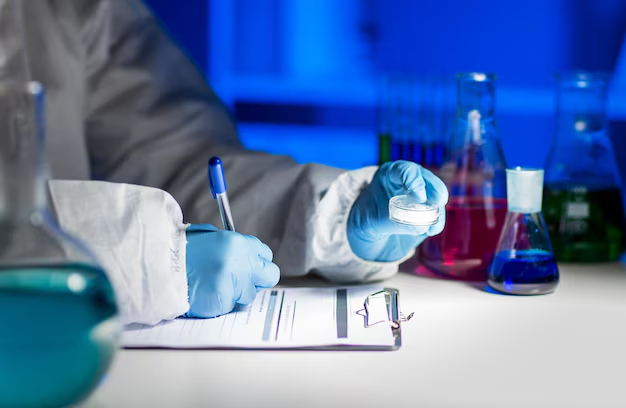
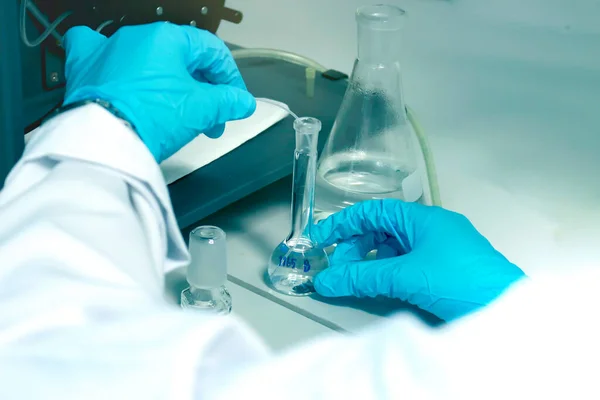
The water flowing from your tap is often one of the most overlooked parts of your home’s infrastructure. While you may regularly monitor your roof, HVAC system, and appliances, the quality of the water used for drinking, bathing, and cooking can remain unknown until a problem appears. Whether you have noticed an unusual odor, a change in taste, or simply want peace of mind, home and residential water testing in Manhattan is the most reliable way to understand what is in your water.
However, testing water is not as simple as purchasing a single kit and hoping for reliable results. Accurate drinking water lead laboratory testing in New York City requires proper sample collection, appropriate testing methods, and careful interpretation of laboratory findings. Understanding the process and the limitations of each method is essential for obtaining clear, actionable information.
Why Testing Matters
Water quality can change due to aging pipes, local environmental shifts, or the failure of municipal treatment systems. If you rely on a private well, you are the de facto water manager, meaning you are responsible for monitoring potential contamination from groundwater runoff or nearby industrial sites. Even for municipal users, the lead or copper that enters your water from household plumbing is not something that your local utility tests for at your specific kitchen faucet. Understanding these health risks is the first step in taking control of your home’s environment.
Choosing the Right Testing Method
Not all tests are created equal. Depending on your goals, you will likely choose one of three common paths:
- DIY Home Test Kits: These are affordable and convenient for getting a “ballpark” idea of parameters like pH, hardness, or high levels of chlorine. While they are great for identifying immediate red flags, they are rarely as precise as laboratory-grade analysis.
- State-Certified Laboratory Testing: This is the gold standard. A certified lab will provide a formal report showing the exact concentration of various chemicals, metals, and biological agents. For homeowners concerned about lead, arsenic, or specific bacteria, this is the only path that provides legally defensible or medically reliable data.
- Water Quality Reports (CCR): If you are on a municipal system, you are entitled to a Consumer Confidence Report (CCR) annually. This document provides a summary of the utility’s testing. It is a great starting point for public education about what your local water provider is monitoring.
How to Properly Collect a Sample
The accuracy of your test depends entirely on the sample you provide. If you are collecting a sample for a lab, follow their instructions meticulously. Generally, you should:
- Use the correct container: Labs provide sterile, specific vials. Do not use random jars.
- Consider the “First Draw”: If you are testing for metals like lead or copper, the lab will often ask for a “first draw” sample—the first water to come out of the tap after it has been sitting in your pipes for at least six hours. This ensures you catch the maximum amount of leaching.
- Avoid contamination: Ensure your hands are clean, and do not touch the inside of the cap or the rim of the vial.
Interpreting Your Lab Report
When your results arrive, it can feel like reading a foreign language. You will see columns of numbers, acronyms, and units of measurement. Here is how to break them down:
- MCL (Maximum Contaminant Level): This is the legal limit set by the EPA for safe drinking water. If your result is below this number, your water meets federal safety standards.
- MCLG (Maximum Contaminant Level Goal): This is the level of a contaminant where there is no known or expected health risk. These are often set at zero for carcinogens.
- Units of Measurement: Most results are given in mg/L (milligrams per liter) or ppm (parts per million). These are effectively the same thing—imagine one drop of dye in a bathtub of water. Some trace contaminants might be measured in ppb (parts per billion), which are even smaller, more sensitive measurements.
If you are struggling to understand your report, do not hesitate to contact the laboratory that performed the analysis. They are often willing to explain what the specific concentrations mean in practical terms. For broader questions about why certain standards exist, our FAQ section is a great resource to help translate technical jargon into plain language.
What to Do With Your Results
Once you have the data, you can stop guessing and start acting.
If the results are within limits: Congratulate yourself on having a safe supply! Keep your report in a home maintenance file and test again in a year or two, or if you notice a change in water quality.
If the results show contaminants:
- Identify the source: If the result shows high lead, it is likely your plumbing. If it shows high nitrates, it could be runoff into your well.
- Research local policy: If a municipality is responsible for the contamination, policy awareness is key. Check your local water district’s recent board meeting notes or public records to see if they are already addressing the issue.
- Install targeted filtration: Do not just buy a generic filter. Buy a system that is certified (by organizations like the NSF) to remove the specific contaminant you found. A filter that removes chlorine may do nothing for lead.
When to Consult a Professional
If your water quality concerns involve complex health issues or significant contamination, it is wise to reach out to a water safety advocate or a certified water professional. They can provide context on regional water issues that might not be obvious from a single test result. If you need help finding the right resources or aren’t sure how to begin your testing journey, you can contact us for guidance on how to navigate the process.
Final Thoughts
Testing your water is an act of empowerment. It removes the uncertainty of the “out of sight, out of mind” nature of our water systems and replaces it with concrete information. By following best practices for collection and taking the time to understand the nuances of the data, you are ensuring that your home’s most essential resource is truly safe.
To stay updated on new testing standards and tips for maintaining a healthy home environment, keep an eye on our blog for ongoing coverage of water quality science and news.
References
- How to Interpret Your Water Quality Report (EPA)
- Testing for Drinking Water Quality (CDC)
- NSF International: Water Quality Certifications