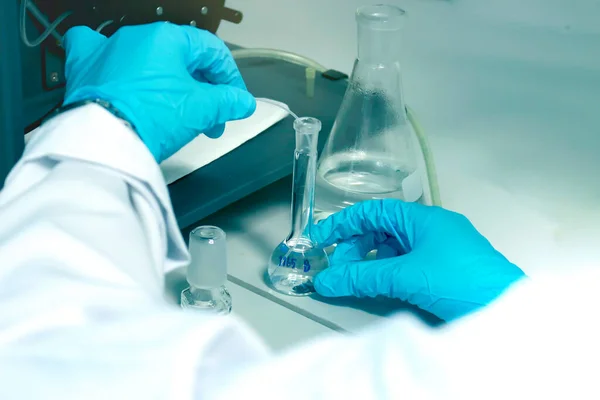
For the average homeowner, tap water is an everyday utility that should always be available and safe. However, aging infrastructure, environmental contamination, and agricultural runoff can introduce harmful substances into the water supply. Laboratory testing for lead in Brooklyn water can identify hidden risks and help ensure the water from your tap is safe to use.
Understanding which contaminants may be present and how to remove them is essential for maintaining a healthy home. Using lead water testing services in Brooklyn can help identify potential lead exposure, while this guide explains other common water pollutants and the filtration technologies designed to reduce them.
The Usual Suspects: Understanding Common Contaminants
Water quality is not static. Depending on where you live and the age of your pipes, you may encounter different types of contaminants. Here are the most frequently detected issues:
1. Lead and Copper
These metals rarely originate at the source. Instead, they are the result of corrosion occurring within your home’s plumbing. Lead, in particular, is a significant concern for homes built before 1986, where lead solder or service lines may still exist. These metals leach into water when it remains stagnant in pipes for extended periods.
2. Chlorine and Chloramines
To keep water safe from biological threats, most municipal utilities add chlorine or chloramine as a disinfectant. While these protect us from waterborne pathogens, they can leave water with a sharp, chemical taste and odor. Furthermore, they can react with organic matter in water to form harmful disinfection byproducts (DBPs).
3. Nitrates and Pesticides
If you live in an agricultural area or rely on a private well, nitrates from fertilizer runoff or pesticides from nearby fields can infiltrate your groundwater. High levels of nitrates are particularly dangerous for infants and can cause severe physiological stress.
4. Sediment and Turbidity
Rust, sand, and silt are often products of aging distribution mains. While these are often visible—making your water look cloudy—they can also serve as a transport mechanism for other, more dangerous chemicals to adhere to and enter your home.
For those unsure about the specific threats in their area, exploring public education resources can help you identify common local concerns and understand the health risks associated with these exposures.
Technologies for Removal: Which Filter Do You Need?
There is no “magic bullet” filter that removes everything. Different contaminants require different physical or chemical processes to be effectively eliminated.
Activated Carbon Filters
- Best for: Chlorine, VOCs (volatile organic compounds), and certain pesticides.
- How it works: Think of carbon as a giant magnet for organic chemicals. As water passes through the porous carbon, these contaminants are adsorbed (trapped) into the surface of the carbon granules.
Reverse Osmosis (RO) Systems
- Best for: Lead, nitrates, fluoride, arsenic, and dissolved minerals.
- How it works: An RO system pushes water through a semi-permeable membrane at high pressure. The pores in this membrane are so tiny that they filter out almost everything except the water molecules themselves. It is one of the most effective ways to purify water at the point of use.
Sediment Filters
- Best for: Rust, sand, and dirt.
- How it works: These are simple physical barriers—essentially fine meshes—that catch large particles before they enter the rest of your filtration system. They are often used as a “pre-filter” to protect more expensive systems like RO from clogging.
UV Purification
- Best for: Bacteria, viruses, and protozoa.
- How it works: Ultraviolet light damages the DNA of microorganisms, rendering them unable to reproduce or cause illness. This is an excellent solution for private well owners who are worried about biological contamination after heavy rainfall.
Navigating the Maze of Water Quality
Choosing a filtration system should never be a guessing game. Before you invest in expensive equipment, you must know what you are trying to remove.
Step 1: Test Your Water You cannot manage what you don’t measure. Order a professional test from a certified laboratory. Many homeowners find that the FAQ section on our site is helpful for understanding how to read these laboratory reports and what the different chemical limits actually mean.
Step 2: Understand the “Why” If you find consistent issues with your water quality, consider the source. Is it a localized issue with your home’s plumbing, or is it a broader problem with the local water supply? Sometimes, the most sustainable solution is engaging with local policy efforts to push for infrastructure improvements, rather than relying solely on individual filters.
Step 3: Certification Matters When shopping for filters, look for NSF/ANSI certification marks. This means an independent organization has tested the filter and verified that it actually removes the contaminants it claims to remove. Avoid “no-name” products that make vague promises without third-party validation.
Staying Informed and Proactive
Water safety is an ongoing responsibility. Regulations change, infrastructure ages, and our understanding of health impacts evolves. Keeping your home safe means staying curious about the water flowing into your kitchen.
If you have concerns about the results of your water test or aren’t sure which filtration technology is appropriate for your specific needs, don’t try to navigate it alone. You can contact us to discuss your situation or get help locating reliable information.
For those looking to deepen their knowledge on this topic, we regularly update our blog with the latest in water science, filtration technology, and public health news. Remember, while the list of potential contaminants might seem daunting, it is easily manageable with the right data and the right tools.
References
- Environmental Protection Agency (EPA): Drinking Water Contaminants
- NSF International: Consumer Guide to Water Filters
- Centers for Disease Control and Prevention (CDC): Private Well Water Testing