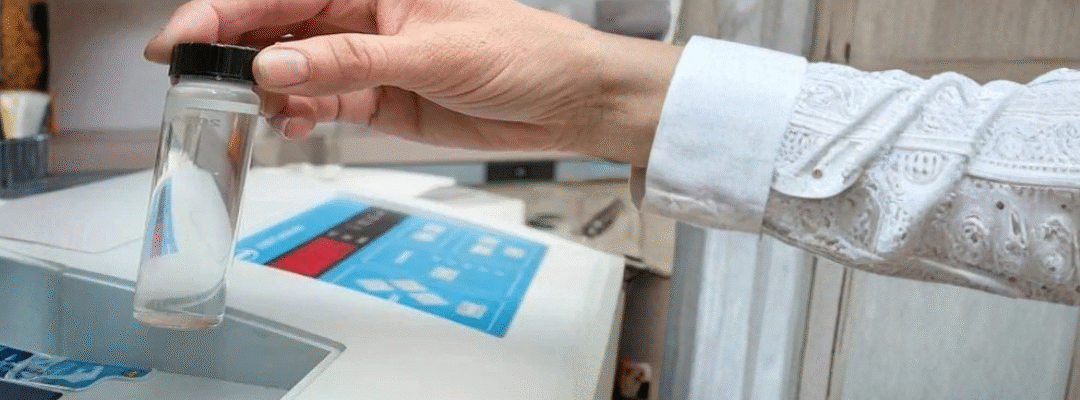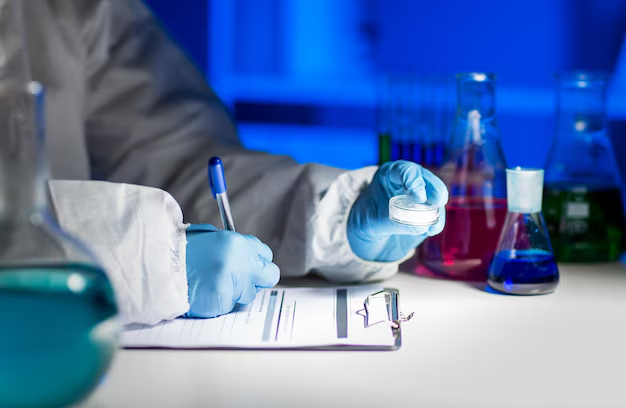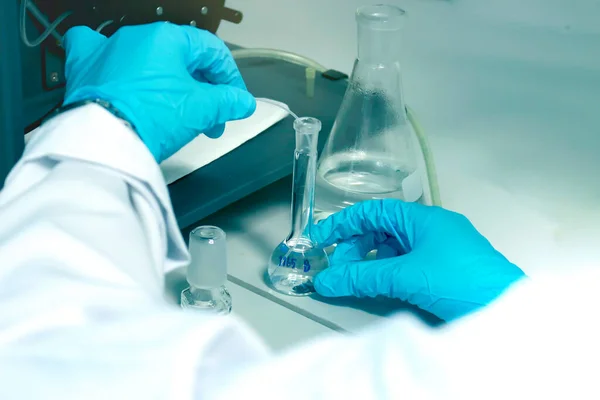
In Manhattan’s busy residential neighborhoods, families may occasionally notice unusual odors or changes in their tap water. While a chlorine-like smell can be noticeable, lead contamination is more difficult to identify because it has no visible color, taste, or odor. Professional water testing services for Manhattan can analyze water from individual faucets and determine whether aging pipes, solder, or fixtures are affecting water quality.
Initially, the family assumed this was simply a byproduct of the city’s robust water treatment process. However, as the smell persisted for over a week, they decided to move beyond speculation. By commissioning a professional water audit, this Flushing family sought to understand the science of disinfection and whether their home was experiencing a localized chemical spike. Their journey offers a vital lesson in how municipal policy at the street level can sometimes result in unexpected chemical profiles at the tap.
The Disinfection Shield: Why New York Uses Chlorine
To understand why the family smelled chlorine, one must first appreciate its role in public health. New York City utilizes chlorine as its primary defense against waterborne pathogens. As water travels from the upstate reservoirs through hundreds of miles of tunnels, chlorine provides a “residual”—a lingering disinfectant presence that prevents the growth of bacteria, viruses, and parasites within the distribution network.
Under normal circumstances, the level of chlorine is carefully managed to be effective yet barely noticeable to the average consumer. However, Flushing sits at a unique intersection of the city’s water grid. Because of the neighborhood’s high density and its distance from certain primary distribution points, the Department of Environmental Protection (DEP) occasionally adjusts chlorine dosages to ensure the “residual” remains strong enough to reach the ends of the line. For this Flushing family, what they were smelling was likely a “slug” of freshly treated water or a seasonal adjustment in the disinfection policy designed to combat warmer water temperatures in the pipes.
Total Chlorine vs. Free Chlorine: The Science of the Smell
A common paradox in water chemistry is that when the “pool smell” is strongest, it often means the chlorine is actually less effective. This is the difference between “Free Chlorine” and “Chloramines” (or combined chlorine).
When free chlorine reacts with organic matter—such as biofilm inside a building’s aging pipes or sediment stirred up by local utility work—it forms chloramines. These combined compounds are much more volatile and odorous than free chlorine alone. The Flushing family’s lab results eventually revealed that while their free chlorine was within a normal range, their total chlorine was elevated, indicating that the disinfectant was working “overtime” to neutralize organic material within their building’s specific plumbing stack. As noted in several blog posts, this is a frequent issue in older Queens apartment complexes where internal pipe maintenance has lagged behind the city’s supply standards.
Health Risks: Beyond the Aesthetic Nuisance
While the EPA regulates chlorine to ensure it is safe for consumption, high levels of disinfectant residuals are not without their health risks. For the family in Flushing, the most immediate impacts were dermatological. Chlorine is a natural desiccant; it strips the skin and hair of their natural oils. The family reported that their children were experiencing exacerbated eczema symptoms and that their eyes would often redden after a hot shower.
Furthermore, when high levels of chlorine react with organic matter over long periods, they can create Disinfection Byproducts (DBPs), such as trihalomethanes (THMs). These compounds are a significant focus of public education efforts because long-term exposure has been linked to more serious chronic health issues. By retesting their water, the family was able to verify that while their chlorine was high, their DBP levels remained within the “safe” margins defined by current New York policy.
The Bathroom Factor: Aerosolization and Inhalation
The family specifically noted the smell was strongest in the bathroom. This is due to the mechanics of a shower. When chlorinated water is heated and forced through a high-pressure showerhead, the chlorine gas is “stripped” from the water and released into the air. In a small, enclosed space like a typical Flushing bathroom, the concentration of chlorine gas can rise quickly.
This inhalation risk is often overlooked in traditional “tap water” discussions. For residents with asthma or other respiratory sensitivities, showering in highly chlorinated water can trigger shortness of breath or coughing fits. The faq section of our safety resource center explains that “point-of-use” shower filters are often the most effective immediate remedy for families who cannot control the building’s main water supply but want to reduce their inhalation exposure.
Why Flushing Residents Should Be Proactive
Neighborhoods like Flushing are currently seeing a surge in new high-rise developments alongside older rent-stabilized buildings. This mix of infrastructure creates “pressure zones” where water age can vary significantly from one block to the next. If water sits stagnant in a large building’s roof tank, the chlorine can dissipate, leading to bacterial risks. Conversely, if the building is close to a main pumping station, the chlorine levels may be consistently higher.
The Flushing family’s decision to retest provided them with a baseline. They learned that their building’s internal risers were contributing to the formation of chloramines, which explained why the smell was worse in their unit than in the lobby. This data allowed them to approach their building management with a request for a professional flush of the vertical lines—a proactive step that benefited the entire “line” of apartments. As we highlight in our reports, data-driven advocacy is the most powerful tool a tenant has in the 2026 housing market.
Remediation: Taking Control of the Tap
Once the family confirmed that the chlorine levels were indeed on the higher end of the advisory scale, they implemented several simple but effective strategies:
- Activated Carbon Filtration: They installed a high-quality carbon block filter under their kitchen sink. Carbon is exceptionally effective at adsorbing chlorine and neutralizing the “pool” taste and odor.
- Shower Filtration: They added Vitamin C or KDF-55 shower filters, which are specifically designed to neutralize chlorine in hot water environments.
- Aeration: For drinking water, they found that simply letting a pitcher of water sit on the counter for an hour allowed much of the chlorine gas to dissipate naturally.
These steps, combined with the public education they received during their audit, transformed their relationship with their tap water from one of suspicion to one of informed management.
Conclusion: Sensory Cues Are a Call to Action
The “Flushing chlorine mystery” is a reminder that our senses are often our first line of defense. While New York’s water is treated to the highest standards, the journey from the reservoir to your bathroom is a complex one. A strong smell of chlorine is not necessarily a sign of “cleaner” water; it is a chemical signal that deserves investigation.
The most effective next step for any Queens resident who is noticing a change in the scent, taste, or feel of their water is to move from worry to verification. If you have questions about the health risks in your specific neighborhood or want to understand the policy behind the city’s disinfection levels, the best path forward is to contact a specialist today to schedule a professional audit. Don’t let a “swimming pool” smell in your bathroom go ignored; get the data you need to ensure your home is as safe as it is comfortable.