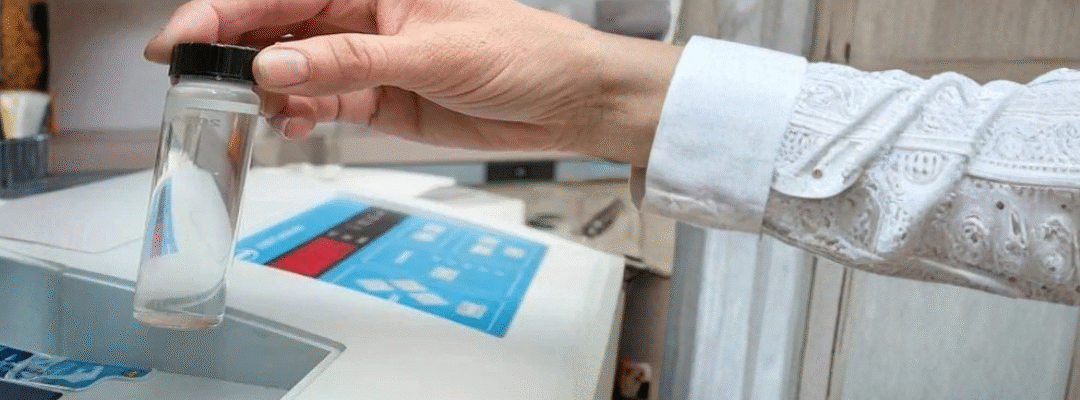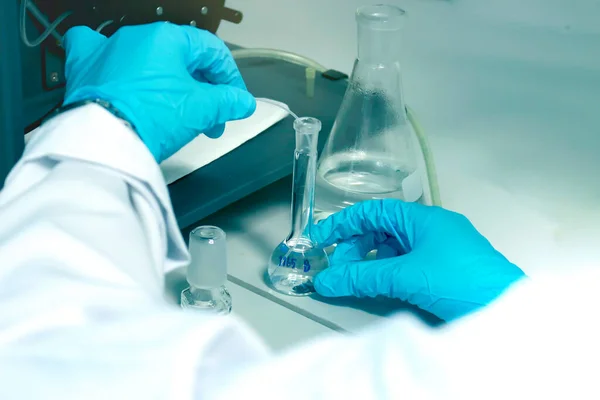
Across New York City, parents are paying closer attention to the water used for cooking, preparing formula, and meeting their children’s daily needs. Although municipal water is carefully monitored, building pipes and fixtures can introduce lead before it reaches the tap, especially when water remains stagnant or is heated. Lead water testing experts in New York City can analyze individual faucets and help families understand whether their household plumbing is affecting water quality.
As we move through 2026, the demand for public education regarding residential water chemistry has reached a fever pitch. Brooklyn’s unique mix of century-old brownstones and rapid new construction has created a complex “premise plumbing” environment where hot water often acts as a catalyst for contamination. For parents, understanding why the hot tap behaves differently is no longer a matter of curiosity—it is a cornerstone of household safety.
The Corrosive Nature of Heat: A Chemical Catalyst
The fundamental reason for the disparity between cold and hot tap water lies in basic chemistry. Heat is a powerful solvent. When water is heated, its molecular activity increases, making it significantly more aggressive at leaching metals from the pipes, solder, and fixtures it touches. In a typical Brooklyn home, the cold water usually travels directly from the street main to the tap with minimal contact time. However, the hot water must sit—often for hours—inside a storage tank or a boiler system.
During this period of stagnation at high temperatures, the water reacts with the internal components of the heating system. If your building has legacy plumbing, the hot water is far more likely to “pull” lead and copper out of the pipes. This is why the faq sections of water safety organizations almost universally warn against using hot tap water for drinking or cooking. For a parent trying to save time by using hot water to boil a pot of pasta, this habit could unintentionally be introducing a “pulse” of heavy metals into a child’s meal.
The Sediment Trap: What Lurks at the Bottom of the Tank
Every hot water heater in Brooklyn, whether it’s a modern high-efficiency unit or an aging basement boiler, acts as a settling basin. As water enters the tank, minerals and heavy metals that might be present in trace amounts in the city’s supply settle to the bottom. Over time, this creates a thick layer of “sludge” or sediment.
In older neighborhoods like Brooklyn Heights or Clinton Hill, this sediment often contains iron, manganese, and even microscopic lead particles that have accumulated over decades. When the hot water is turned on, the turbulence inside the tank can stir up this sediment, sending it directly into the faucet. Parents who notice a slight yellow or “rusty” tint to their bathwater are often seeing the physical evidence of this buildup. While the city’s policy ensures the water is clean at the street level, the building’s own storage system can effectively “re-contaminate” the water before it reaches the nursery.
Lead Solder and the “Wiped Joint” Legacy
Brooklyn’s brownstones are architectural treasures, but they were built during an era when lead was the industry standard for plumbing. While the use of lead pipes was eventually banned, the use of lead-based solder to join copper pipes remained common until the late 1980s.
In the hot water lines, this lead solder is particularly problematic. The constant expansion and contraction of the pipes as they heat and cool can cause the solder to degrade and flake. Because hot water is more corrosive, it dissolves these lead particles more readily. A recent blog post highlighting a Park Slope family’s experience found that their lead levels were nearly five times higher in the hot water than in the cold, specifically due to the interaction with old soldered joints in the basement.
Biological Risks: The Breeding Ground for Biofilms
Beyond heavy metals, Brooklyn parents are increasingly concerned about the biological stability of their hot water. To save on energy costs, some building managers or homeowners set their water heaters to lower temperatures (below 120°F). While this prevents scalding, it creates the perfect environment for bacterial regrowth.
Pathogens like Legionella and various species of nontuberculous mycobacteria thrive in warm, stagnant water. These bacteria attach themselves to the interior of pipes and tanks, forming a protective “biofilm” that is resistant to the chlorine levels found in the city’s supply. When a parent uses a shower or a high-pressure faucet to fill a tub, these bacteria can be aerosolized, posing potential health risks through inhalation. For infants with developing respiratory systems, the presence of these “premise plumbing” pathogens is a significant, yet often invisible, concern.
The Impact of Neighborhood Infrastructure Work
Brooklyn is a borough in a constant state of repair. Whether it is a water main replacement in Bushwick or a new development in Gowanus, street-level utility work can have an immediate impact on a home’s hot water quality. When the city’s pipes are disturbed, a “slug” of sediment and mineral scale is often sent into the service lines of nearby buildings.
While a cold water tap might clear up after a few minutes of flushing, that sediment can become trapped in a building’s hot water tank. This means a single afternoon of utility work on your block could leave a “legacy” of contaminants in your water heater for months. Parents are often surprised to find that their health risks increased following a seemingly routine street repair, reinforcing the need for regular tank maintenance and independent testing.
What Can Brooklyn Parents Do Today?
The most powerful tool for any parent is verification. You cannot tell what is in your hot water by looking at it, smelling it, or even tasting it. Here are the practical steps recommended for Brooklyn households:
- The Cold-Only Rule: Use only cold tap water for drinking, cooking, and mixing infant formula. If you need hot water, start with cold and heat it on the stove or in an electric kettle.
- Annual Tank Flushes: If you own your home, ensure your hot water heater is professionally flushed once a year to remove sediment buildup.
- Temperature Checks: Verify that your heater is set to at least 140°F (60°C) to kill bacteria, but ensure you have a thermostatic mixing valve installed to prevent accidental burns at the tap.
- Independent Lab Testing: Perform a side-by-side audit of your cold and hot taps. This is the only way to know if your heating system is contributing to metal leaching.
As noted in the faq section, standard pitcher filters often do not account for the specific chemical profile of hot water and may even degrade faster if exposed to high temperatures. Proper filtration must be specifically rated for the temperature and contaminants in question.
The Role of Data-Driven Advocacy
In neighborhoods like Greenpoint and Red Hook, parent groups are beginning to share their water test results to identify building-wide or block-wide trends. This “crowdsourced” public education is putting pressure on landlords and the city to address the aging service lines that contribute to these problems.
By understanding the science of their tap water, parents are no longer just passive consumers; they are becoming advocates for better infrastructure. In 2026, the goal is transparency—knowing exactly what is in the water so that parents can make informed decisions for their families.
Conclusion: Taking Control of the Tap
The question of “what’s really in the hot tap” isn’t meant to cause alarm, but to inspire action. Brooklyn’s historic charm comes with hidden responsibilities, and the plumbing is chief among them. We must move beyond the assumption that because the water is clear, it is safe for all uses.
The most effective next step for any Brooklyn parent is to move from suspicion to certainty. If you have concerns about the health risks in your specific home or building, the best path forward is to contact a specialist today to schedule a comprehensive audit of both your cold and hot water lines. Don’t let your morning routine be a source of hidden exposure; verify your water quality and ensure your home is the safe haven your children deserve.