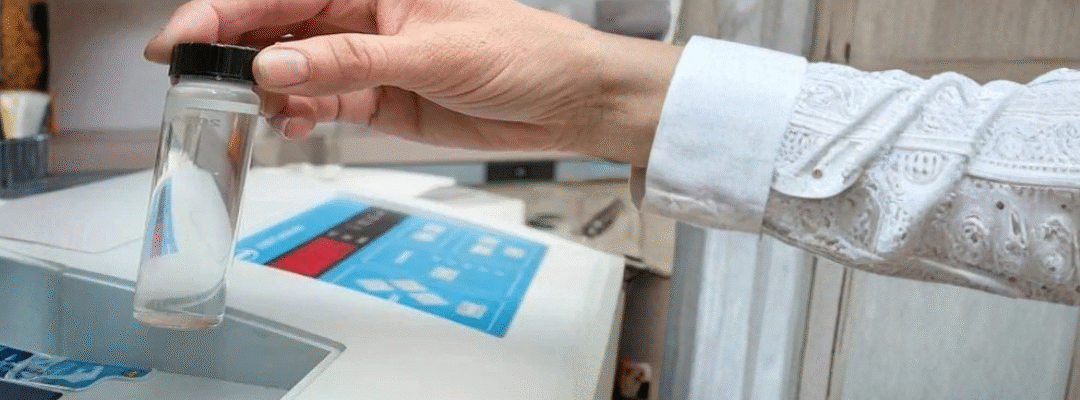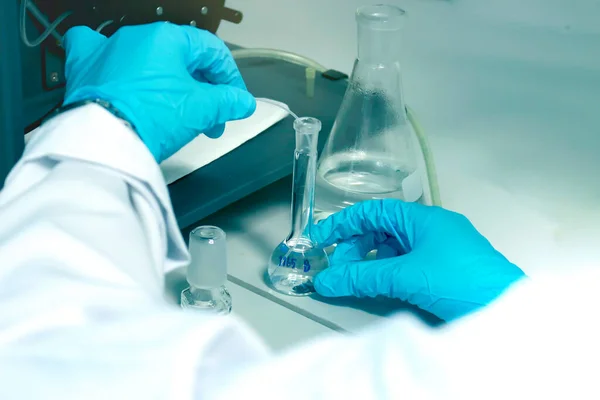
Across Queens’ diverse neighborhoods, parents carefully consider the everyday factors that affect their children’s health and safety. However, one concern that can be easily overlooked is lead contamination in household tap water, particularly in buildings with aging pipes, solder, or fixtures. Lead in water testing services for Queens can detect contamination that cannot be identified by appearance, taste, or smell.
Many families assume that clear and odor-free tap water is safe to use, but lead and other contaminants can enter drinking water without creating any visible warning signs. Older residential buildings, renovated properties, and homes with outdated plumbing components may have hidden sources of contamination that affect the quality of water reaching household faucets.
Professional water testing provides homeowners with accurate information about their water supply and helps identify whether lead or other harmful substances are present. By testing water directly from household outlets, families can better understand their actual exposure risks and take appropriate steps to improve water safety.
For parents in Queens, proactive testing offers peace of mind by providing reliable data about the water used for drinking, cooking, preparing food, and daily household activities. Understanding water quality is an important part of creating a safer and healthier living environment for children and families.
While much of the city’s historical focus has remained on lead, recent laboratory audits of residential water samples in multi-family Queens buildings have shown a spike in copper concentrations. When a local family brought their failed water report to their long-time pediatrician in Long Island City, the conversation shifted from general wellness to the specific health risks of heavy metal ingestion in developing bodies. The pediatrician’s insights provide a necessary bridge between raw data and the reality of pediatric care in 2026.
The Clinical Perspective: Why Copper Isn’t Just “Aesthetic”
Copper is often categorized by water utilities as a “secondary” contaminant, primarily associated with blue-green staining on sinks or a bitter metallic taste. However, as the Queens pediatrician noted during the consultation, what is considered an “aesthetic” issue for an adult can be a clinical issue for an infant.
“We tend to think of copper as a nutrient because it is essential in trace amounts,” the doctor explained. “But when it exceeds the action level of 1.3 milligrams per liter in drinking water, it becomes an irritant.” In children, whose metabolic pathways are still maturing, the body is less efficient at processing excess minerals. The pediatrician highlighted that chronic exposure to elevated copper in tap water is a frequent, yet often overlooked, cause of pediatric gastrointestinal distress. If a toddler is experiencing unexplained nausea, stomach cramps, or bouts of diarrhea, the first question a Queens doctor might ask in 2026 is, “Have you tested your water?”
The Vulnerability of the Formula-Fed Infant
One of the most critical points made during the pediatric visit concerned the youngest residents of Queens. For infants who are exclusively formula-fed, the tap water used to mix their bottles constitutes 100% of their nutritional liquid intake.
“An infant’s body mass is very low compared to the volume of water they consume,” the pediatrician remarked. Because copper is processed primarily by the liver, an overabundance of the metal can place an undue burden on an infant’s developing organs. The doctor pointed to the public education materials provided by health advocates, emphasizing that because hot water leaches copper from pipes much faster than cold water, parents should never use the hot tap to mix formula—a common mistake in many Queens households looking to save time during a midnight feeding.
The Science of “New Pipe” Leaching in Queens
Many families are surprised to find high copper levels in relatively new buildings or recently renovated apartments. The pediatrician clarified that this is a known phenomenon in the science of water delivery. When new copper plumbing is installed, it lacks the protective mineral “scale” that older pipes have developed over decades.
In many of the glass-and-steel high-rises currently transforming the Long Island City skyline, the “hungry” water of New York City—which is naturally low in minerals—can aggressively strip copper from these new interior pipes. This leaching is exacerbated by the “stagnation cycle” typical of modern professional life; water sits in the pipes for ten hours while parents are at work and children are at daycare, reaching peak copper concentrations just in time for the evening meal.
Identifying the Warning Signs in Your Home
The pediatrician advised parents to be “sensory detectives” in their own homes. While lab tests are the gold standard, there are physical indicators that copper levels are trending toward a health risk.
- Blue-Green Staining: If you see vibrant turquoise rings in your bathtub or around the base of your kitchen faucet, your water is actively corroding your plumbing.
- Metallic Taste: A sharp, “penny-like” taste in the water, especially in the first draw of the morning.
- The “Penny” Smell: A distinct metallic odor on a child’s skin or hair after a bath.
As noted in our blog, these signs are the body’s early warning system. By the time a child shows symptoms of toxicity, the copper levels have likely been elevated for months.
The “Action Level” vs. The “Health Goal”
A significant portion of the pediatric consultation involved explaining the difference between regulatory “compliance” and “optimal health.” The EPA’s Lead and Copper Rule sets an action level for copper at 1.3 ppm. However, the pediatrician noted that health-based goals—the level at which no known health risk occurs—are often much lower.
For a family living in a Queens co-op with original 1950s copper risers, meeting the “action level” might not be enough to prevent sensitive children from experiencing symptoms. This is where policy and pediatric medicine often diverge. A building might technically be in compliance with city standards, but the pediatrician may still recommend a point-of-use filter to protect a child with a sensitive digestive system.
Remediation: What the Doctor Ordered
The Queens pediatrician didn’t just provide a diagnosis; she provided a checklist for remediation. For families dealing with elevated copper in their tap samples, the recommendations were clear:
- The Two-Minute Flush: Always run the cold water for at least two minutes if the tap hasn’t been used for several hours. This moves the stagnant water out of the apartment’s internal pipes and brings in fresh water from the street main.
- Cold Water Only for Consumption: Never use water from the hot tap for drinking or cooking. Hot water is a more effective solvent and will always contain higher levels of leached metals.
- Certified Filtration: Use a filter specifically certified to reduce copper. As many parents find in the faq section, not all pitcher filters are designed to handle heavy metal concentrations.
- Regular Aerator Cleaning: Sediment trapped in the small screen at the end of the faucet can contribute to localized leaching. Clean these screens monthly.
The Role of Independent Verification
The family’s path to the pediatrician’s office began with a simple laboratory audit. The doctor emphasized that without that data, she would have likely treated the child’s stomach issues as a common viral infection. In 2026, data is the most powerful tool a parent has.
As highlighted in recent policy updates, New York City is working to improve water transparency, but the burden of “premise plumbing” safety still falls on the resident. An independent lab report allows a pediatrician to move from a “best guess” to a targeted health plan.
Conclusion: Closing the Information Gap in Queens
The conversation between the Queens pediatrician and the local family is a microcosm of a larger movement toward water safety in New York City. We can no longer assume that because our water is clear, it is free of minerals that can impact pediatric health. By understanding the health risks and the simple steps for remediation, Queens parents can ensure that their children are growing up with the safest possible resources.
The most effective next step for any Queens parent who has noticed blue stains in their sink or a metallic taste in their water is to move from suspicion to certainty. If you have questions about the faq of water testing or need help interpreting results from a recent building-wide audit, the best path forward is to contact a specialist today. Let the data empower your next visit to the pediatrician and ensure your home is a healthy environment for your family.