Is Your Drinking Water Safe? 10 Warning Signs Every Homeowner Should Know
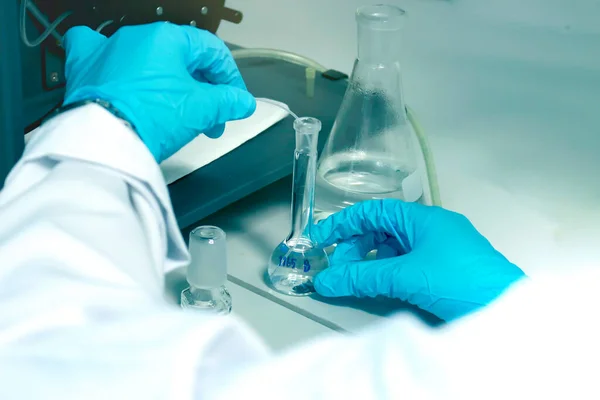
The water flowing from your kitchen tap is an everyday convenience used for drinking, cooking, and personal care. However, because municipal systems, private wells, and household plumbing remain mostly out of sight, homeowners can easily miss subtle signs of contamination. Professional residential water testing in the Bronx can identify hidden water quality concerns and provide greater peace of mind.
While most public water systems in the United States operate under stringent safety regulations, infrastructure issues, aging pipes, and environmental factors can introduce contaminants into your home. Understanding these risks is a vital part of property maintenance. If you are concerned about the quality of your supply, resources such as public education initiatives offer excellent primers on how to assess your specific situation.
Here are 10 warning signs that your drinking water might not be as safe as you think, and what you should do about them.
1. Unusual Tastes or Odors
Your nose and tongue are surprisingly effective testing instruments. If your water suddenly has a metallic, fishy, or sulfurous smell, it is a significant red flag.
- Metallic: Often indicates the presence of copper, lead, or iron, usually leached from old household plumbing.
- Rotten Egg (Sulfur): Frequently caused by bacteria in your plumbing or water heater, but can also stem from groundwater contamination.
- Bleach or Chlorine: While often added by treatment plants, an overpowering smell of bleach can indicate excessive chlorination or a reaction with organic matter in the pipes.
2. Visible Particles or Cloudiness
Water should appear clear and colorless. If you notice floating sediment, rust flakes, sand, or cloudiness, your filtration system, household plumbing, or the municipal main may not be screening out debris effectively. Suspended particles can also carry microbial contaminants, making domestic water testing in the Bronx an important step in identifying the cause and protecting your household.
3. Persistent Staining on Fixtures
Pay attention to the rings forming in your toilet bowls, sinks, and bathtubs.
- Red or Orange stains: Suggest high iron content.
- Blue or Green stains: Often point to high copper levels, which can lead to long-term health complications if left unchecked.
- Black stains: Can indicate manganese or hydrogen sulfide. Staining is more than an aesthetic nuisance; it is a clear indicator that your water contains dissolved minerals or metals that shouldn’t be there in those concentrations.
4. Strange Sounds in Your Pipes
While pipes can make noise for many reasons, “gurgling” or “banging” sounds (water hammer) can sometimes signal that air or gas is trapped in your plumbing. If this gas is escaping through your tap, it could be a sign of chemical reactions occurring within your water heater or supply line.
5. Your Water Heater is Acting Up
If you find yourself constantly flushing your water heater or replacing heating elements due to buildup, hard water is likely to blame. Hard water contains high levels of calcium and magnesium. Over time, these minerals form scale, which can act as a breeding ground for bacteria and reduce the efficiency of your system.
6. Soap Scum and Poor Lather
Do you struggle to get a good lather from your shampoo or soap? If your skin feels itchy or dry after a shower, or if your dishes have a filmy residue even after a cycle in the dishwasher, you likely have “hard” water. While not typically a direct health threat, extreme hardness can indicate that your water has traveled through mineral-heavy deposits that may also harbor other, more harmful contaminants.
7. Changes in Water Pressure
A sudden, consistent drop in water pressure throughout the house—rather than at a single faucet—can indicate a leak or a blockage in your main line. If a pipe is compromised, outside contaminants like dirt, groundwater, or even sewage can be sucked into the line through the leak during periods of low pressure.
8. Illness or Gastrointestinal Issues
Sometimes the signs aren’t physical, but physiological. If household members frequently experience unexplained stomach cramps, diarrhea, or nausea, it is time to investigate your water supply. Pathogens like Giardia and Cryptosporidium are invisible to the naked eye but can cause significant distress. If you notice a pattern of illness, consider reviewing current health risks associated with common water contaminants.
9. Lead Pipe Construction
If your home was built before 1986, there is a high probability that your home plumbing contains lead solder, or that the service line connecting your home to the municipal main is made of lead. Lead is a neurotoxin with no safe level of exposure. If you suspect your home has lead plumbing, testing is not optional—it is a necessity.
10. Aging Infrastructure in the Neighborhood
Water quality isn’t just about what’s inside your walls; it’s about what’s happening in your street. If your city is currently undergoing construction or if you live in an area with aging water mains, the chance of “pipe breaches” increases significantly. When mains are disturbed, dislodged sediment and bacteria can enter the supply.
What to Do If You See These Signs
Don’t panic, but don’t ignore these signals. The first step toward peace of mind is information.
1. Test Your Water Never guess when it comes to your family’s health. You can purchase DIY testing kits for a preliminary look, but for definitive answers, contact a state-certified laboratory. They can provide an accurate analysis of what is flowing through your taps.
2. Consult Professionals If your tests come back with high levels of contaminants, reach out to a local water quality specialist. They can help you determine if the issue is a private well problem or a municipal infrastructure failure. For general inquiries and to learn more about industry standards, you can always visit the FAQ section for guidance on common water quality issues.
3. Explore Treatment Options Depending on your results, solutions range from simple point-of-use carbon filters to full-home reverse osmosis systems. The goal is to install a system that targets the specific contaminants found in your water, rather than buying a generic system that may not solve the underlying issue.
4. Stay Informed Water safety is an ongoing concern, not a “set it and forget it” task. Keep an eye on local water policy updates. Municipalities are required to release annual water quality reports (often called Consumer Confidence Reports). These reports provide a detailed breakdown of what your local utility is testing for and what they are finding.
Final Thoughts
Your home is your sanctuary, and the water you drink should support your health, not threaten it. By staying vigilant and recognizing these 10 warning signs, you take control of your environment. Whether you are dealing with a simple case of hard water or something more complex, remember that resources are available to help you navigate these challenges. If you need further assistance or would like to speak with someone about your specific situation, feel free to contact us for more information.
Water quality is a foundational aspect of public health—make sure it’s a priority in your home. For more deep dives into water safety, visit our main blog page to keep up with the latest updates and tips.