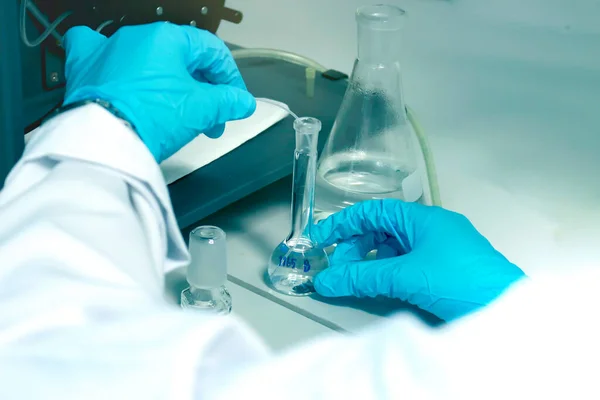
In recent years, per- and polyfluoroalkyl substances, commonly known as PFAS, have moved from industrial chemistry into the center of public health discussions. These synthetic compounds have become widespread in the environment and are sometimes detected in tap water. Because contaminants such as PFAS and lead cannot be identified by taste, smell, or appearance, comprehensive water analysis and a lead testing service in New York City can help reveal potential risks.
Often called “forever chemicals” because they do not naturally break down in the environment or the human body, PFAS create serious challenges for homeowners, utility providers, schools, and regulators. Water testing in Manhattan can help identify these persistent contaminants and support safer drinking water for students and staff. Understanding what PFAS are, why they are concerning, and how to reduce exposure is an essential part of responsible water management.
What Are PFAS and Why Are They “Forever”?
PFAS represent a vast class of thousands of synthetic chemicals that have been used since the 1940s to make products resistant to heat, oil, stains, grease, and water. From non-stick cookware and water-repellent clothing to firefighting foams and food packaging, their utility is widespread.
The “forever” moniker stems from the incredibly strong carbon-fluorine bonds that hold these molecules together. While this makes them highly effective for industrial applications, it also means they persist in soil, water, and air indefinitely. Unlike many other contaminants that degrade over time, PFAS tend to accumulate in the environment. Studies published by the Environmental Protection Agency (EPA) highlight that these substances are now detectable in the blood of most people in the United States, largely due to their presence in the food and water supply.
The Hidden Health Risks
Because PFAS have been used in so many consumer products, nearly everyone has had some exposure. However, long-term consumption of water contaminated with even trace amounts of PFAS is a growing concern for medical researchers.
The health risks associated with persistent exposure are complex. Research suggests that high levels of certain PFAS can lead to a variety of issues, including:
- Increased cholesterol levels.
- Interference with hormonal systems and thyroid function.
- Decreased vaccine response in children.
- Changes in liver enzymes.
- Increased risk of certain cancers, including kidney and testicular cancer.
- Developmental effects in infants and children.
While the severity of these risks often depends on the duration and concentration of exposure, the fact that these chemicals accumulate in the body over time means that even small, consistent doses can eventually reach levels that may impact your health.
How Do PFAS Enter Your Tap Water?
Unlike biological contaminants like bacteria, which often enter water systems through pipe breaches or sewage leaks, PFAS contamination is typically chemical in nature. These substances migrate into groundwater and surface water from a variety of points:
- Industrial Facilities: Factories that manufacture or use PFAS may discharge them into local waterways.
- Firefighting Sites: Airports and military bases have historically used PFAS-heavy aqueous film-forming foams (AFFF) for fire suppression exercises, leading to significant groundwater plumes.
- Landfills: As consumer products containing PFAS end up in landfills, the chemicals can leach into liquid runoff, eventually reaching the water table.
- Wastewater Treatment Plants: While these plants are designed to treat standard waste, they are often not equipped to filter out complex synthetic chemicals, allowing them to pass through into the surrounding environment.
For those curious about the broader regulatory efforts to address these pathways, information regarding policy and legislative efforts is a useful way to track how local governments are responding to these emerging threats.
Evaluating Your Risk
If you are concerned about whether your home is affected, the first step is determining your source of water. If you are on a municipal system, your provider is increasingly likely to include PFAS testing in their annual Consumer Confidence Report. However, if you rely on a private well, the responsibility for testing often falls entirely on you.
Because PFAS are not always included in standard home water tests, you may need to specifically request a lab analysis for these compounds. Many homeowners find it helpful to look through public education materials to understand the testing process and how to interpret results from certified laboratories.
Mitigation: What Can You Do?
If you discover that your water contains elevated levels of PFAS, do not panic. While it is a serious issue, there are effective ways to mitigate the risk in your home.
1. Point-of-Use Filtration
Not all water filters are created equal. To effectively remove PFAS, you need a system specifically certified to meet certain standards. Look for filters that use activated carbon or reverse osmosis (RO) technology. These are generally the most effective at capturing these stubborn molecules.
2. Stay Informed on Local Updates
Water safety is dynamic. Local water districts are constantly updating their infrastructure and testing protocols to comply with new federal guidelines. Keeping an eye on your local utility’s updates ensures you aren’t caught off guard by changing water quality reports.
3. Support Infrastructure Improvements
In many cases, the most effective solution happens at the source. Public awareness and support for local water policy improvements—such as upgrading municipal filtration systems—can prevent contamination before it ever reaches your front door.
Finding Answers to Your Questions
Navigating the world of synthetic contaminants can feel overwhelming. Many homeowners have similar concerns about the safety of their supply, and it can be incredibly helpful to review the FAQ section to see how common concerns are being addressed by experts.
If you are worried that your household might be at risk or if you have detected high levels of contaminants, it is always a good idea to reach out for professional guidance. Contacting a water safety advocate or a certified water professional can help you move from concern to action.
Conclusion
PFAS represent a challenge that we are still learning how to manage. While the “forever” nature of these chemicals is daunting, we are not helpless. Through a combination of rigorous testing, advanced filtration technology, and informed public policy, we can significantly reduce our exposure.
Stay curious about what comes out of your tap. Check your local water reports, consider testing if you have doubts, and continue to prioritize the health of your home environment. For ongoing tips on how to monitor and improve the safety of your home water, bookmark our blog and stay updated with the latest in water safety science.